
top binoculars for all types of activities
At All Best Binoculars, we provide expert reviews, detailed comparisons, and comprehensive guides on the top binoculars for all types of activities, from bird watching and wildlife observation to stargazing and travel. Whether you’re a seasoned explorer or new to the world of optics, our content is crafted to help you make informed decisions for sharper, clearer views.
Let’s Numbers Talk
Our Services
At All Best Binoculars, we’re dedicated to providing our readers with the most reliable, comprehensive resources on binoculars and optics equipment.
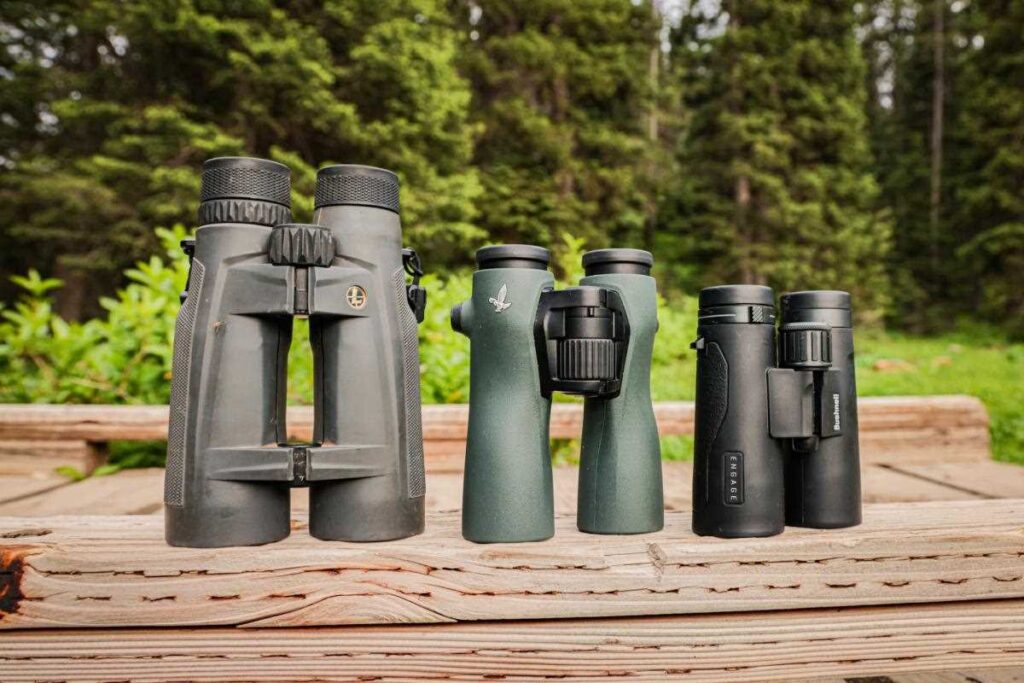
Binocular Reviews & Ratings
Our team rigorously tests a variety of binocular models to deliver unbiased reviews covering performance, durability, and ease of use. Our reviews include ratings on:
- Image quality and clarity
- Lens and magnification options
- Comfort, weight, and design
- Features like waterproofing and night vision
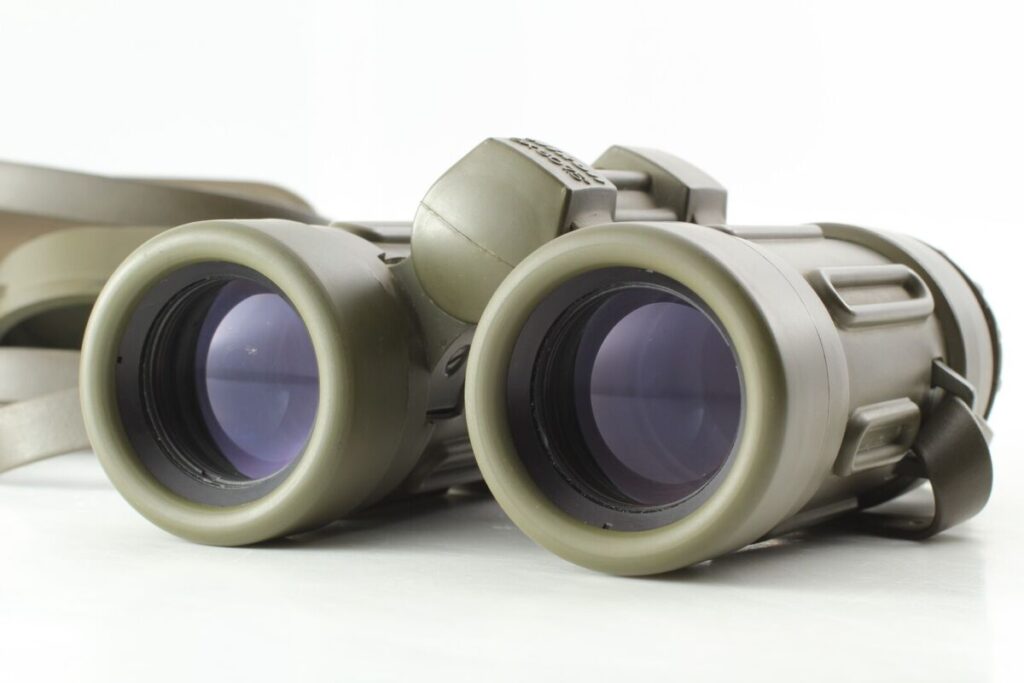
Binocular Recommendations
Not sure which binoculars to choose? We offer curated lists and recommendations for specific uses:
- Bird Watching Binoculars: Binoculars that excel in color accuracy, sharpness, and field of view to enhance your bird-watching experience.
- Travel & Adventure Binoculars
- Digital Camera Binoculars
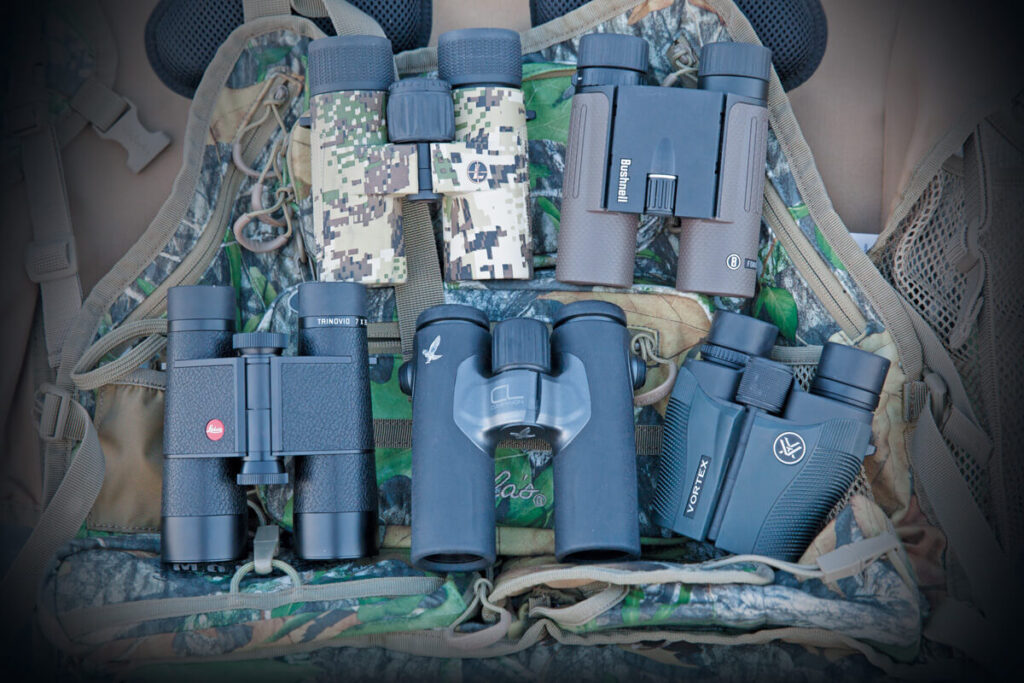
Bird Watching Guides
With a focus on optimizing your bird-watching experience, our bird watching guides cover:
- Tips for selecting binoculars with an ideal field of view
- Advice on lenses for various lighting conditions
- Techniques to improve spotting and identifying species in different environments
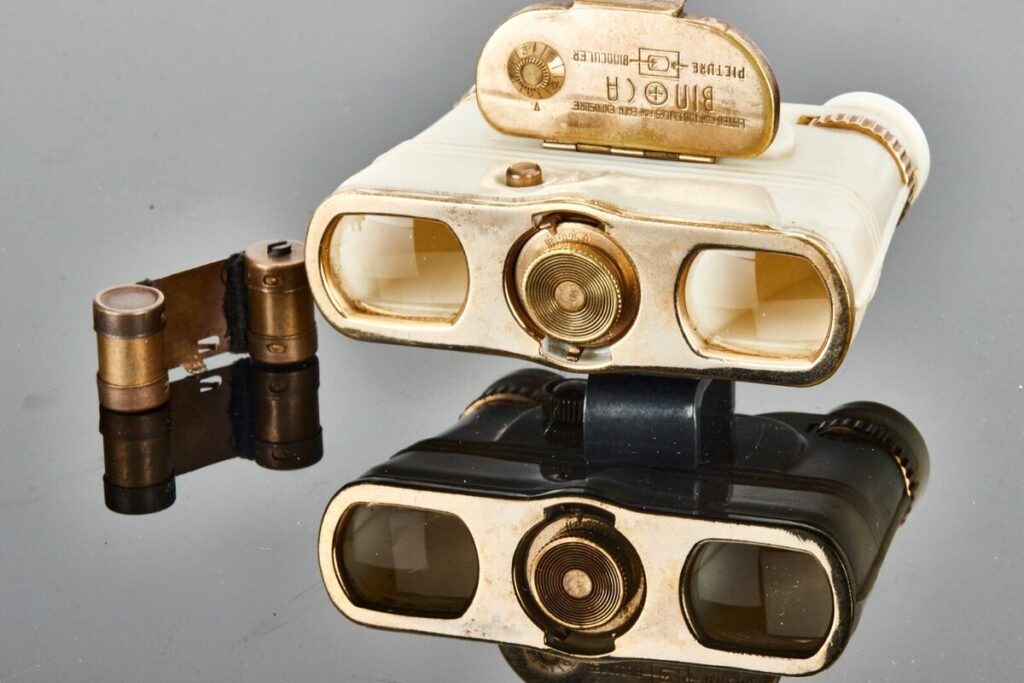
Buying Guides for All Levels
Our beginner-friendly guides simplify the binocular buying process with insights on key factors like:
- Magnification levels
- Lens diameter and types
- Optical coatings for glare reduction
- Accessories that enhance performance and comfort
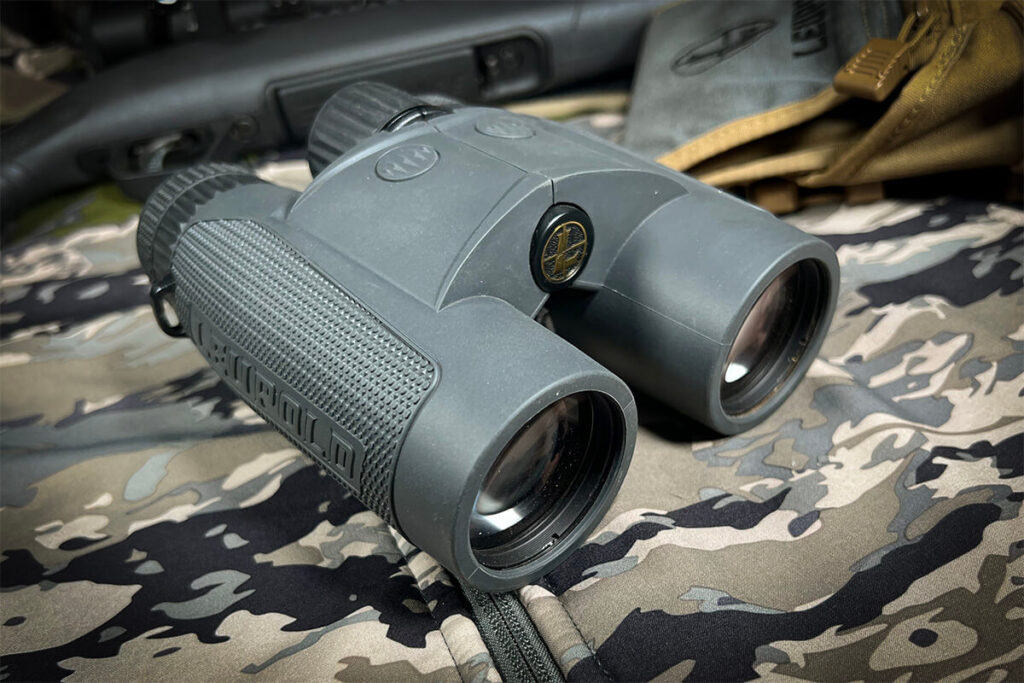
Auto Focus Insights
We dive into the latest advancements in binocular technology, such as auto focus, digital recording, and night vision. Our expert breakdowns help you understand:
- How digital binoculars work
- Features to consider for specific activities
- Pros and cons of various advanced binocular technologies
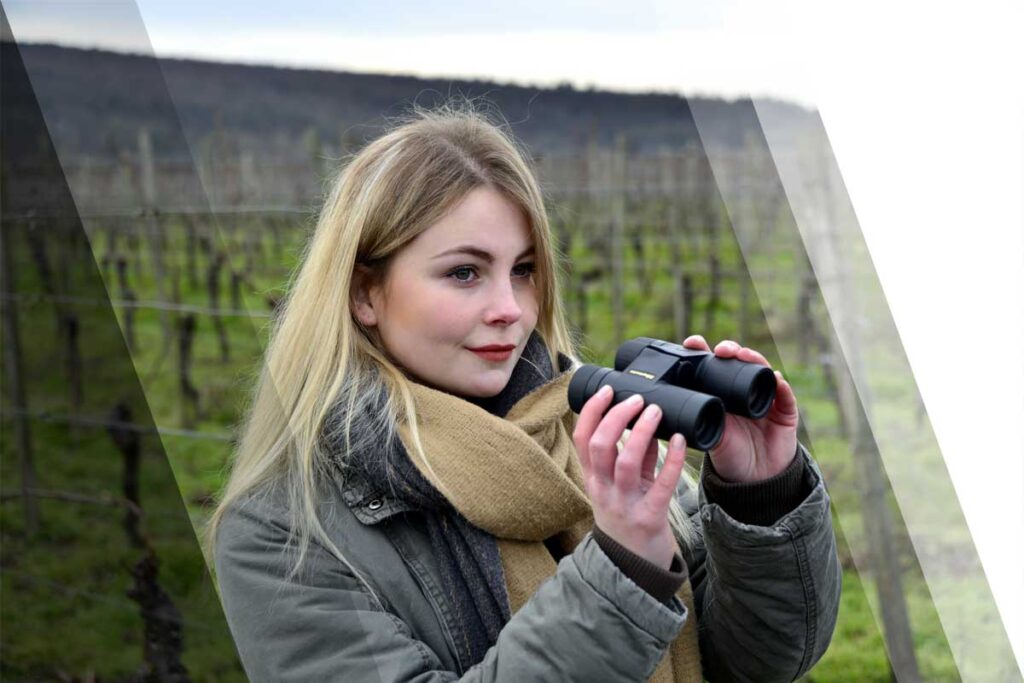
Comparison Charts
For quick reference, our comparison charts and price guides offer a side-by-side look at the features, ratings, and prices of top models in each category, so you can easily find an option that fits your budget and needs.
Why Choose All Best Binoculars?
What Sets Us Apart
Our team of optics experts from personalEYES ensures that each review and guide is filled with actionable advice and up-to-date information. We believe in transparency and aim to make high-quality optics accessible to everyone, regardless of budget or experience.
In-Depth Reviews
Every product we feature undergoes comprehensive testing. We review binoculars across multiple categories, from bird-watching binoculars to digital and auto-focus models.
Expert Buying Guides
Our buying guides simplify your selection process, covering essential features like magnification, lens quality, field of view, and more.
Community Resources
Join a community of binocular enthusiasts! Get tips, share experiences, and learn from fellow users to make the most of your viewing experience.
Our Blog
Testimonial
Request Info
Whether you’re watching birds in your backyard, hiking through forests, or observing a sporting event, we’re here to help you see the world more clearly.
At All Best Binoculars, we’re more than just a review site. We’re a community of explorers who believe that high-quality optics can open doors to new perspectives and bring you closer to the wonders around you.