
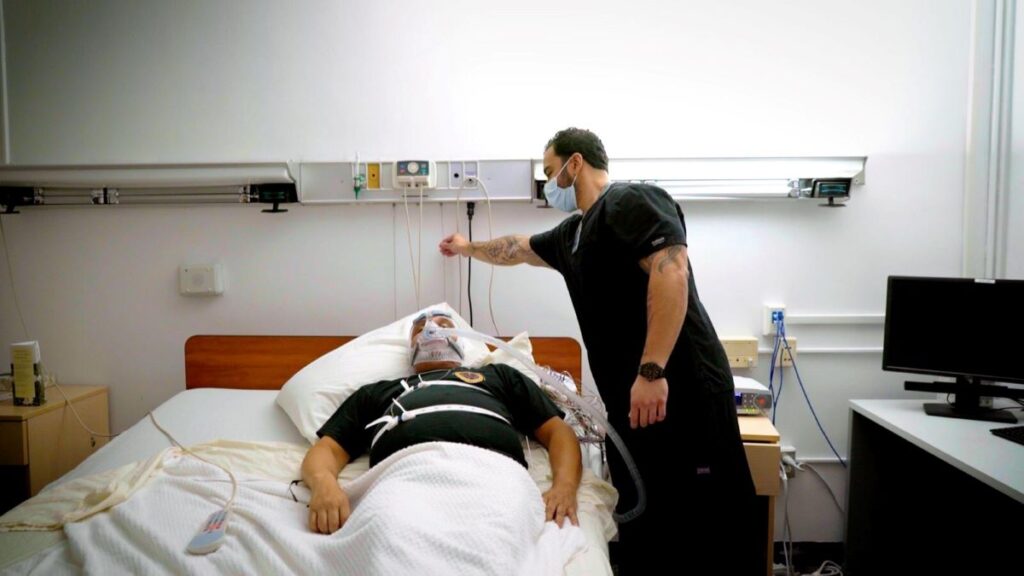
What is a Sleep Study and Why Do Canberra Residents Undertake Them?
A sleep study conducted by clinics in Canberra is a clinical research test that monitors your body while you sleep to diagnose sleep-related disorders. These overnight assessments track breathing patterns, oxygen levels, heart rate, brain activity, and body movements to create a comprehensive picture of your sleep health.
Canberra residents undertake these studies for several compelling reasons:
- Symptom evaluation: Many individuals experience symptoms like chronic snoring, daytime fatigue, or breathing interruptions that suggest underlying sleep disorders such as obstructive sleep apnea.
- Research opportunities: The city’s reputable research institutions, including the University of Canberra, offer rigorous testing protocols that meet high ethical standards while ensuring participant confidentiality.
The benefits of sleep studies extend far beyond simple diagnosis. While identifying conditions like sleep apnea remains a primary goal, these assessments reveal interconnected health patterns that might otherwise go unnoticed. For anyone considering a Sleep Study Canberra, the data collected during a single night can expose early warning signs of cardiovascular problems, neurological concerns, and metabolic issues.
This holistic approach to introducing sleep studies makes them invaluable diagnostic tools. Rather than viewing sleep in isolation, specialists analyze how your nighttime physiology relates to broader health outcomes. Choosing a Sleep Study Canberra allows patients to benefit from comprehensive monitoring that creates opportunities for early intervention and personalized treatment strategies addressing multiple health dimensions simultaneously.
1. What Types of Sleep Disorders Can a Sleep Study Diagnose?
A sleep study can identify a wide range of sleep-related conditions, with obstructive sleep apnea Canberra clinics detecting being among the most prevalent. OSA occurs when throat muscles intermittently relax and block the airway during sleep, causing repeated breathing interruptions throughout the night.
Breathing disorders during sleep extend beyond OSA to include:
- Central sleep apnea, where the brain fails to send proper signals to breathing muscles
- Sleep-related hypoventilation, characterized by abnormally slow or shallow breathing
- Snoring disorders that may indicate partial airway obstruction
- Periodic limb movement disorder affecting breathing patterns
- Narcolepsy and its associated breathing irregularities
Accurate diagnosis separates these distinct conditions, each requiring different treatment approaches. A person experiencing daytime fatigue might assume they simply need better sleep habits, yet the underlying cause could be severe sleep apnea requiring immediate medical intervention. Without proper diagnostic testing, individuals may spend years trying ineffective solutions.
The comprehensive monitoring during a sleep study captures oxygen levels, breathing effort, airflow patterns, and chest movements. This detailed data allows sleep specialists to pinpoint the exact nature and severity of any breathing disorder present. Precise identification means treatment plans—whether CPAP therapy, oral appliances, or lifestyle modifications—can target the specific condition rather than applying generic solutions that may prove ineffective.

2. How Can a Sleep Study Provide Insights Into Overall Health?
Health monitoring through sleep study extends far beyond identifying breathing interruptions. During an overnight assessment, sophisticated equipment tracks multiple physiological markers simultaneously, including heart rhythm, oxygen saturation levels, and brain wave patterns. This comprehensive data collection creates a detailed picture of how your body functions during rest.
The connection between cardiovascular health and sleep becomes particularly evident through continuous heart rate monitoring. Sleep studies can detect irregular heartbeats, abnormal blood pressure fluctuations, and strain on the cardiovascular system that might otherwise go unnoticed. These warning signs often appear during sleep before manifesting as daytime symptoms.
Brain activity recordings reveal neurological patterns that specialists analyze for potential concerns. Unusual electrical activity, disrupted sleep architecture, or abnormal movement patterns can indicate early stages of neurological conditions. The data collected provides baseline measurements that help identify deviations from healthy brain function.
Sleep studies also monitor:
- Blood oxygen levels throughout the night
- Leg movements that may signal restless leg syndrome
- Body position changes affecting breathing quality
- REM sleep duration and quality
This multi-parameter approach transforms a single night’s observation into a comprehensive health assessment. Medical professionals can identify risk factors for conditions like hypertension, diabetes, and cognitive decline by analyzing how these systems interact during sleep cycles. Notably, untreated sleep apnea can lead to severe complications such as uncontrolled hypertension, diabetes, and even cognitive decline if left unaddressed. Check out more about how a Sleep study Hobart specialists provide can improve long-term health outcomes.
3. What Personal Benefits Do Participants Gain From Undertaking a Sleep Study?
Participants receive detailed personal health insights that transform their understanding of sleep quality and its connection to daily functioning. The comprehensive data reveals specific patterns—such as how late-night screen time, caffeine consumption, or irregular work schedules disrupt restorative sleep cycles. These concrete findings empower individuals to make informed adjustments rather than guessing which habits might be problematic.
The lifestyle impact on sleep becomes measurable through objective metrics. A sleep study tracks:
- Sleep latency (time taken to fall asleep)
- Number of nighttime awakenings
- Sleep stage distribution (light, deep, and REM sleep)
- Physical movements and position changes
- Environmental factors affecting rest quality
This granular information helps participants identify which specific behaviors or environmental conditions sabotage their sleep architecture. Someone might discover their bedroom temperature or noise levels significantly fragment their sleep, issues they never consciously noticed.
Identifying underlying conditions represents another crucial advantage. The study data often uncovers hidden health factors—from restless leg syndrome to periodic limb movements—that participants didn’t realize were affecting their wellbeing. Sleep specialists then develop tailored treatment plans addressing these specific issues rather than applying generic solutions. This personalized approach means interventions target actual problems revealed through clinical evidence, dramatically improving treatment effectiveness and health outcomes.
4. How Does Participation in a Sleep Study Contribute to Medical Research?
Every participant in clinical research Canberra facilities conduct becomes a vital contributor to expanding our understanding of sleep medicine. When you undergo a sleep study, your anonymized data joins a larger pool of information that researchers analyze to identify patterns, test new treatment approaches, and develop better diagnostic tools for future patients.
Your involvement helps scientists answer critical questions about sleep disorders that remain poorly understood. Data collected from sleep studies reveals how different populations respond to treatments, which symptoms cluster together in specific conditions, and what risk factors predict disease progression. This contribution to medical knowledge directly shapes clinical guidelines that doctors worldwide use to treat patients.
The University of Canberra and similar reputable institutions maintain rigorous ethical frameworks protecting participant rights throughout the research process. These organizations:
- Ensure all data remains confidential and secure
- Obtain informed consent before any procedures
- Follow strict protocols approved by ethics committees
- Provide participants with clear information about study purposes
- Allow voluntary withdrawal at any stage
Research conducted under these standards produces reliable, high-quality evidence that influences medical practice. Your participation doesn’t just benefit your own health—it creates a legacy of knowledge that helps countless individuals facing similar sleep-related challenges. The insights gained from comprehensive sleep studies have already transformed how clinicians approach conditions like sleep apnea, insomnia, and circadian rhythm disorders.
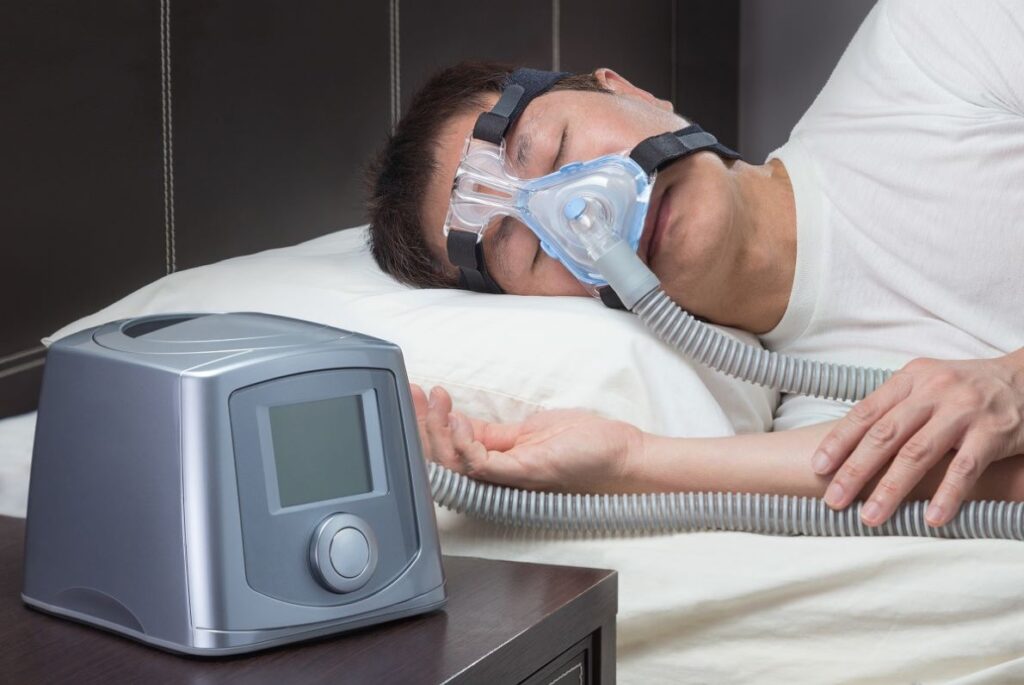
5. Why Is Interaction With Sleep Medicine Experts Valuable During a Sleep Study?
Healthcare professional guidance transforms raw sleep data into actionable health strategies. Sleep medicine specialists bring years of training to interpret complex physiological readings, explaining what your heart rate variability, oxygen saturation levels, and brain wave patterns reveal about your nightly rest. These experts don’t simply hand over test results—they translate medical findings into language you can understand and use.
Expert consultation in sleep medicine opens doors to treatment pathways you might never have considered. Specialists discuss options ranging from CPAP therapy adjustments to cognitive behavioral techniques, matching interventions to your specific sleep profile. They identify whether your condition requires medical devices, lifestyle modifications, or a combination of approaches tailored to your circumstances. You may like to visit https://www.sydney.edu.au/medicine-health/schools/sydney-medical-school/discipline-of-sleep-medicine.html to get more about the speciality of sleep medicine.
The educational component proves equally valuable. During consultations, participants learn:
- Optimal sleep hygiene practices specific to their diagnosed condition
- How diet, exercise timing, and screen exposure affect their sleep architecture
- Warning signs that indicate when to seek additional medical attention
- Techniques for managing stress and anxiety that interfere with rest
This direct access to specialists creates a learning environment where questions receive evidence-based answers. Participants leave with practical tools—breathing exercises, bedroom environment adjustments, or relaxation protocols—that address their unique sleep challenges. The relationship established during the study often extends beyond initial diagnosis, providing ongoing support as treatment plans evolve.
Conclusion
The benefits of sleep studies Canberra residents experience extend far beyond a simple diagnosis. These comprehensive assessments unlock critical information about cardiovascular health, neurological function, and lifestyle factors affecting daily wellbeing. Each of the 5 reasons why a sleep study Canberra residents undertake can reveal more than you think demonstrates how interconnected sleep patterns are with broader health outcomes.
Taking part in a sleep study provides actionable insights that transform how you approach both sleep quality and overall health management. The data collected, combined with expert guidance, creates personalized pathways toward better rest and improved vitality. Consider scheduling a sleep study to discover what your sleep patterns might be revealing about your health—the insights gained could reshape your approach to wellbeing in ways you never anticipated.