Sleep Testing Melbourne

Sleep Testing

Top 5 Things to Know Before Booking Sleep Testing Melbourne

Below are five things they should know before they lock in an appointment.

What symptoms actually justify booking sleep testing?

If they snore loudly, stop breathing during sleep, wake up gasping, or feel persistently exhausted despite “enough” hours in bed, Sleep Testing Melbourne is usually worth considering. It is also commonly recommended when daytime sleepiness affects driving, work, mood, or concentration.

Other clues include morning headaches, high blood pressure that is hard to control, or a partner reporting choking sounds and restlessness. A GP referral is often the simplest starting point.

Which type of sleep test should they choose: at-home or in-clinic?

Most people start with an at-home sleep test because it is simpler, faster to schedule, and closer to normal sleep. These tests typically measure airflow, breathing effort, oxygen levels, and heart rate, which is often enough to detect obstructive sleep apnoea.

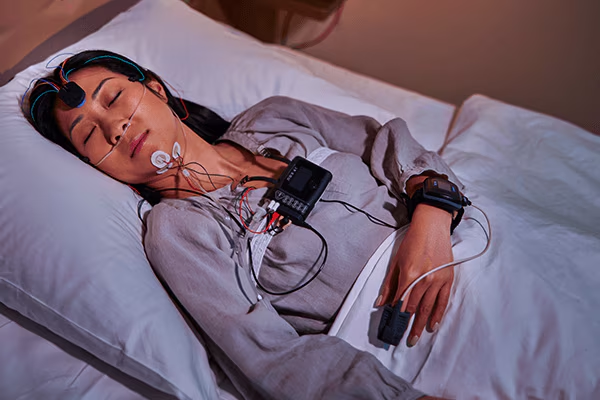
In-clinic studies are more comprehensive and are usually used when symptoms are complex, the at-home test is inconclusive, or there are concerns beyond obstructive sleep apnoea. A lab study can monitor brain waves, limb movements, sleep stages, and additional signals that help diagnose a wider range of sleep disorders.

What should they check about the provider before they book?

They should confirm who interprets the results and how follow-up works. Ideally, results are reviewed by an appropriately qualified sleep specialist or a clinician with clear credentials in sleep medicine, not just auto-generated software summaries.

It also helps to ask practical questions upfront: turnaround times for results, how they receive the report, and whether a treatment plan is included. If they may need CPAP, they should check whether the clinic is independent or tied to equipment sales, and how conflicts are managed.

What costs and rebates should they clarify in advance?

They should ask for an itemised quote before booking, including the test, reporting, and any follow-up consults. Costs can vary significantly depending on whether the test is private, hospital-based, or arranged through a specific clinic pathway.

They should also check whether Medicare rebates apply and what is required, such as a GP referral and specific eligibility criteria. If they have private health insurance, they should ask the insurer what is covered and whether waiting periods or preferred providers apply.

How should they prepare to avoid a failed or low-quality test?

They should follow the clinic’s setup instructions exactly because small issues can ruin the data. For at-home tests, that usually means applying sensors correctly, keeping the device secure overnight, and avoiding anything that might loosen leads, like heavy moisturisers on the skin.

They should keep their routine as normal as possible unless told otherwise. If they use alcohol, sleeping tablets, or other sedating medications, they should disclose that beforehand because it can change breathing patterns and affect interpretation. They should also plan for a typical sleep window and ensure the device is returned on time so reporting is not delayed.

What should they expect after the results come back?

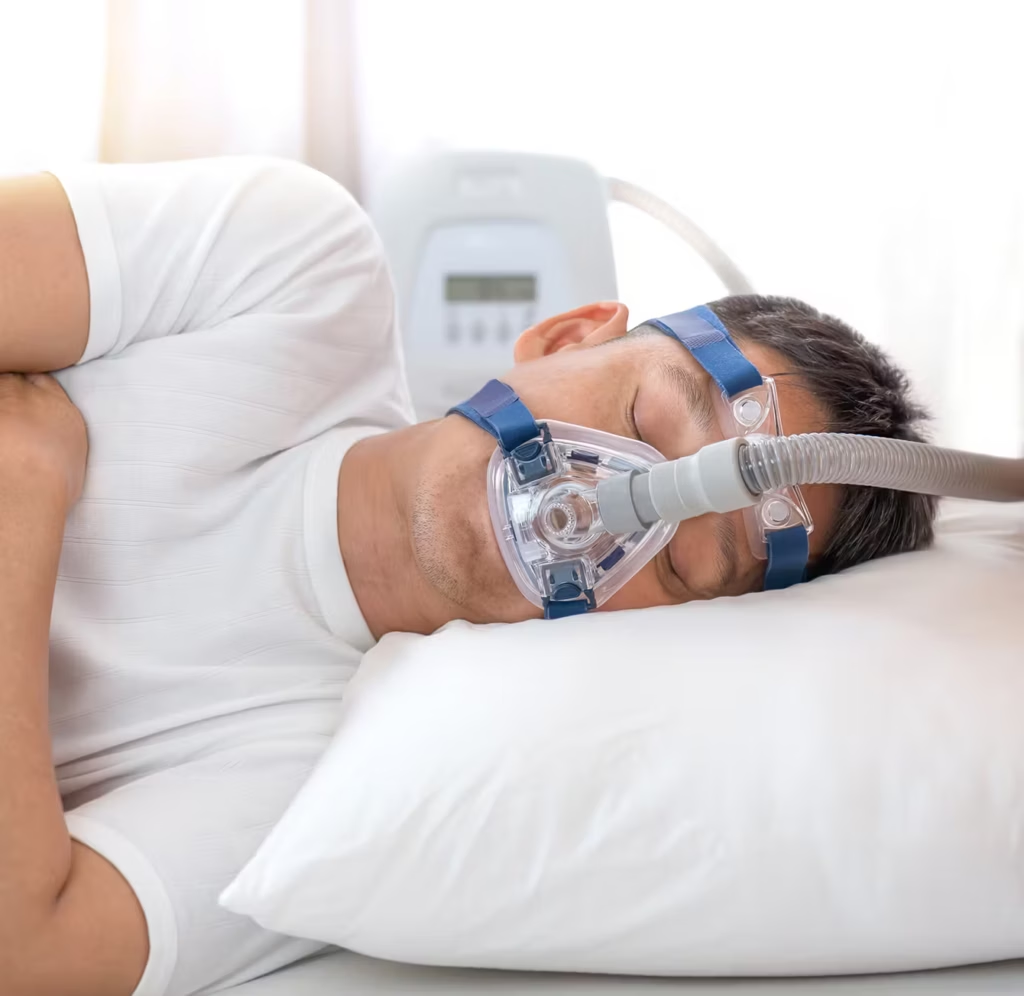
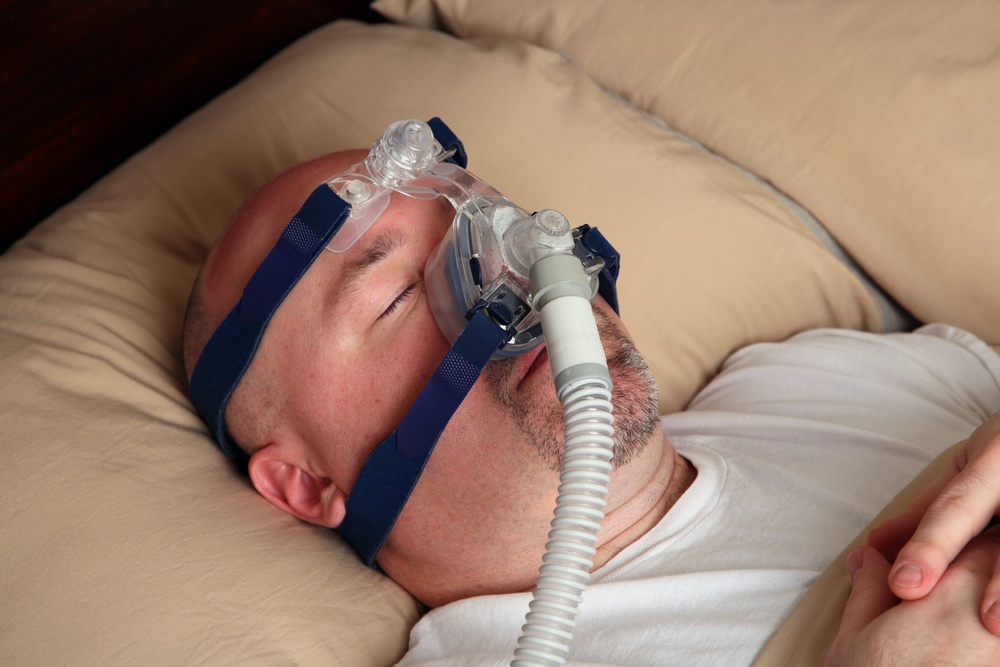
They should expect a clear diagnosis, a severity rating if sleep apnoea is present, and next-step options. Mild cases may be managed with weight and sleep-position changes, nasal treatments, or oral appliances, while moderate to severe cases often involve CPAP therapy.
Sleep Testing

They should also expect their broader health risks to be discussed, especially if they have hypertension, heart disease risk factors, or safety-critical work. If the test is negative but symptoms remain, they should ask what else could explain the fatigue, and whether further testing is recommended. See sleep testing Perth booking and preparation guide.

Final checklist before they book

They should confirm the symptoms being investigated, the type of test recommended, the clinician interpreting results, the total cost and rebates, and the preparation steps. If those five points are clear, sleep testing in Melbourne is far more likely to produce an answer they can actually use.

FAQs (Frequently Asked Questions)

What symptoms indicate that I should consider booking a sleep test in Melbourne?

If you snore loudly, stop breathing during sleep, wake up gasping, or feel persistently exhausted despite getting enough hours in bed, sleep testing is usually worth considering. Other signs include daytime sleepiness affecting driving or work, morning headaches, uncontrolled high blood pressure, or a partner reporting choking sounds and restlessness. Starting with a GP referral is often simplest.

Should I choose an at-home sleep test or an in-clinic sleep study in Melbourne?

Most people begin with an at-home sleep test because it is simpler, faster to schedule, and closer to normal sleep. These tests measure airflow, breathing effort, oxygen levels, and heart rate and often detect obstructive sleep apnoea. In-clinic studies are more comprehensive and used when symptoms are complex, the at-home test is inconclusive, or other sleep disorders are suspected.

What should I verify about the sleep testing provider before booking?

Confirm who interprets the results—ideally a qualified sleep specialist or clinician with credentials in sleep medicine rather than just software-generated summaries. Ask about turnaround times for results, how you receive reports, whether a treatment plan is included, and if the clinic is independent or tied to CPAP equipment sales to understand any potential conflicts of interest.
Sleep Testing

How can I understand the costs and rebates involved in sleep testing in Melbourne?

Request an itemised quote before booking that includes the test, reporting, and follow-up consults. Costs vary depending on whether the test is private or hospital-based. Check if Medicare rebates apply by confirming eligibility criteria such as having a GP referral. If you have private health insurance, inquire about coverage details, waiting periods, and preferred providers.

What preparation steps should I take to ensure a successful sleep test?

Follow your clinic’s setup instructions exactly—proper sensor application and securing the device overnight are crucial. Avoid anything that might loosen leads like heavy moisturisers. Maintain your usual routine unless advised otherwise and disclose use of alcohol, sleeping tablets, or sedatives beforehand as these can affect breathing patterns. Plan for a typical sleep window and return the device on time to avoid delays.

What can I expect after receiving my sleep test results?

Expect a clear diagnosis with severity rating if obstructive sleep apnoea is present and recommended next steps. Mild cases may be managed with weight loss, positional therapy, nasal treatments, or oral appliances; moderate to severe cases often require CPAP therapy. Your broader health risks will also be discussed. If results are negative but symptoms persist, further evaluation may be recommended.

Top 5 Things to Know Before Booking Sleep Testing Melbourne Read More »
Sleep Testing Melbourne

Sleep Testing Melbourne: Clinics and Services Overview

Sleep is an essential component of overall health and well-being, yet many individuals struggle with sleep disorders that can significantly impact their quality of life. In Melbourne, a variety of clinics and services are available to assist those experiencing sleep-related issues. This article provides an overview of sleep testing options in the city, detailing the types of services offered, the importance of sleep testing, and what to expect during the process.

Understanding Sleep Disorders

Sleep disorders encompass a range of conditions that disrupt normal sleep patterns, leading to difficulties in falling asleep, staying asleep, or experiencing restful sleep. Common disorders include insomnia, sleep apnoea, restless legs syndrome, and narcolepsy. Understanding these conditions is crucial for recognising the need for sleep testing and seeking appropriate treatment. The prevalence of sleep disorders is alarmingly high, with estimates suggesting that around one in three adults experience some form of sleep disruption at various points in their lives. This widespread issue highlights the importance of awareness and education surrounding sleep health, as many individuals may overlook the significance of their sleep quality until it begins to adversely affect their overall well-being.

Sleep testing Melbourne is a critical step in diagnosing and treating sleep disorders, which can have far-reaching effects on overall health and well-being. In Melbourne, a variety of clinics and services are available to cater to the diverse needs of individuals experiencing sleep-related issues. By understanding the types of sleep testing available, what to expect during the process, and how to find the right clinic, individuals can take proactive steps toward improving their sleep health.

Section Image

Common Symptoms

Individuals suffering from sleep disorders may experience a variety of symptoms that can interfere with daily life. These symptoms can include excessive daytime sleepiness, difficulty concentrating, irritability, and mood changes. In some cases, physical symptoms such as snoring or gasping during sleep may also be present, particularly in those with sleep apnoea. Moreover, the impact of sleep disorders extends beyond mere fatigue; they can lead to serious health complications, including cardiovascular issues, obesity, and diabetes. The interconnectedness of sleep and overall health underscores the necessity for individuals to pay close attention to their sleep patterns and seek help if they notice persistent disturbances.

The Importance of Diagnosis

Accurate diagnosis is vital for effective treatment. Many individuals may not realise they have a sleep disorder until it significantly affects their health and lifestyle. Sleep testing can provide critical insights into sleep patterns and disturbances, allowing healthcare professionals to tailor treatment plans to individual needs. There are various methods of sleep assessment, including polysomnography, which records brain waves, oxygen levels, heart rate, and breathing, as well as home sleep tests that can be conducted in the comfort of one’s own bed. These diagnostic tools are essential for identifying the specific type of sleep disorder and determining the most appropriate interventions, whether they be lifestyle changes, cognitive behavioural therapy, or the use of medical devices such as CPAP machines for those with sleep apnoea. Learn more about cognitive on https://www.mededportal.org/doi/10.15766/mep_2374-8265.10850

Types of Sleep Testing Services

In Melbourne, several types of sleep testing services are available, ranging from at-home assessments to comprehensive sleep studies conducted in specialised clinics. Each type of testing serves a unique purpose and may be more suitable for different individuals based on their symptoms and circumstances.

Polysomnography

Polysomnography (PSG) is a comprehensive sleep study that is typically conducted in a sleep clinic. This overnight test records brain waves, oxygen levels, heart rate, and breathing, as well as eye and leg movements. PSG is particularly useful for diagnosing complex sleep disorders, including sleep apnoea and narcolepsy.

During the test, patients are monitored in a comfortable, controlled environment, allowing for accurate data collection. The results can help healthcare providers understand the severity of a sleep disorder and recommend appropriate treatment options. Additionally, PSG can also help identify other sleep-related issues such as REM sleep behaviour disorder, which can lead to unusual movements during sleep, and periodic limb movement disorder, where involuntary leg movements disrupt sleep. The comprehensive nature of PSG makes it an invaluable tool for sleep specialists aiming to tailor treatment plans to individual needs.

Sleep Testing Melbourne

Home Sleep Apnoea Testing

For those suspected of having sleep apnoea, home sleep apnoea testing (HSAT) offers a convenient alternative to traditional PSG. This test typically involves the use of a portable monitor that tracks breathing patterns, oxygen levels, and heart rate while the patient sleeps in their own bed.

Find more on: Home Sleep Study Melbourne: Testing in Your Own Space

While HSAT is less comprehensive than PSG, it can still provide valuable information for diagnosing obstructive sleep apnoea. It is particularly advantageous for individuals who may feel uncomfortable in a sleep clinic setting or those with limited access to such facilities. Moreover, the ease of conducting the test at home often leads to higher compliance rates among patients, as they can sleep in their own environment without the stress of a clinical setting. This method not only simplifies the process but also allows for a more natural sleep assessment, which can yield more accurate results regarding the patient’s typical sleep patterns.

Actigraphy

Actigraphy involves wearing a wrist device that monitors sleep patterns over an extended period, usually one to two weeks. This method is less intrusive and allows for continuous tracking of sleep and wakefulness in a natural environment. Actigraphy is often used to assess circadian rhythm disorders and insomnia.

The data collected can provide insights into sleep duration, quality, and patterns, helping healthcare professionals make informed decisions about treatment options. Furthermore, actigraphy can be particularly beneficial for those with chronic sleep issues, as it can highlight variations in sleep behaviour that may correlate with lifestyle factors, such as stress levels, diet, and exercise. By analysing this data, practitioners can develop a more holistic understanding of a patient’s sleep health, leading to more personalised and effective interventions. This approach not only enhances the accuracy of diagnoses but also empowers patients to take an active role in managing their sleep health through lifestyle modifications. Click here to find more about diagnoses.

Finding the Right Clinic in Melbourne

With numerous clinics offering sleep testing services in Melbourne, selecting the right one can be a daunting task. It is essential to consider factors such as the clinic’s reputation, the qualifications of the staff, and the range of services offered.

Accreditation and Qualifications

When choosing a sleep clinic, it is crucial to ensure that it is accredited by relevant professional bodies. Accreditation indicates that the clinic meets specific standards of care and adheres to best practices in sleep medicine. Additionally, the qualifications of the staff, including sleep specialists and technicians, should be taken into account, as their expertise will significantly impact the quality of care received.

Services Offered

Different clinics may offer varying services, from initial consultations and diagnostic testing to follow-up care and treatment options. It is advisable to select a clinic that provides a comprehensive approach to sleep health, ensuring that all aspects of diagnosis and treatment are addressed.

Patient Reviews and Recommendations

Reading patient reviews and seeking recommendations from healthcare providers or friends can provide valuable insights into the quality of care at a particular clinic. Positive testimonials often indicate a high level of patient satisfaction and successful treatment outcomes.

What to Expect During Sleep Testing

Understanding what to expect during sleep testing can help alleviate any anxiety associated with the process. Each type of test has its own procedures and requirements, but some common elements can be outlined.

Preparation for Testing

Prior to undergoing sleep testing, patients may be advised to avoid caffeine, alcohol, and certain medications that could affect sleep quality. It is also essential to follow any specific instructions provided by the clinic, such as what to bring and how to prepare for the night of the test.

The Testing Process

For an overnight sleep study, patients typically arrive at the clinic in the evening and are guided to a private room. Electrodes will be placed on the scalp, face, chest, and legs to monitor various physiological parameters during sleep. Patients are encouraged to relax and sleep as they normally would, with staff available to assist if needed.

For home sleep testing, patients will receive a portable monitor along with clear instructions on how to set it up and use it during the night. It is essential to follow these instructions carefully to ensure accurate results.

Post-Test Follow-Up

After the testing is complete, the data collected will be analysed by a sleep specialist. Patients will typically have a follow-up appointment to discuss the results and any necessary treatment options. This may include lifestyle changes, the use of continuous positive airway pressure (CPAP) devices for sleep apnoea, or cognitive behavioural therapy for insomnia.

Conclusion

As sleep disorders become increasingly recognised as a significant public health concern, seeking professional help is more important than ever. With the right support and treatment, individuals can reclaim their sleep and enhance their quality of life.

Sleep Testing Melbourne: Clinics and Services Overview Read More »