
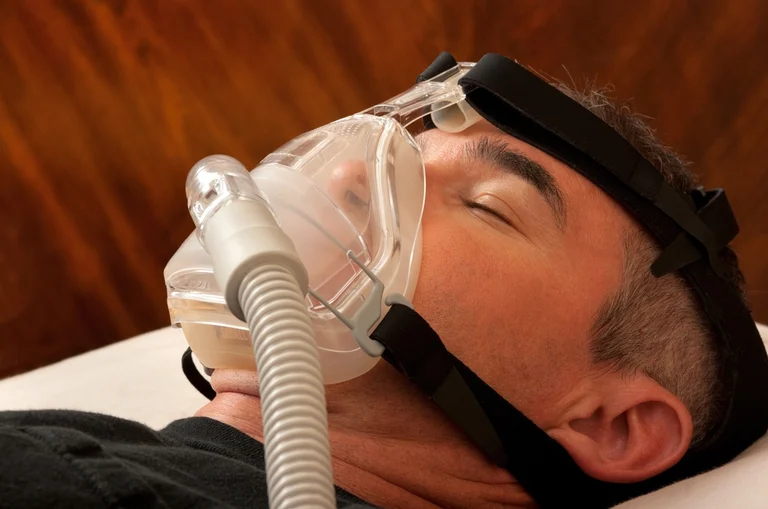
Below are six key differences that explain how these mask styles compare in real life.
What parts of the face do different CPAP mask styles cover?
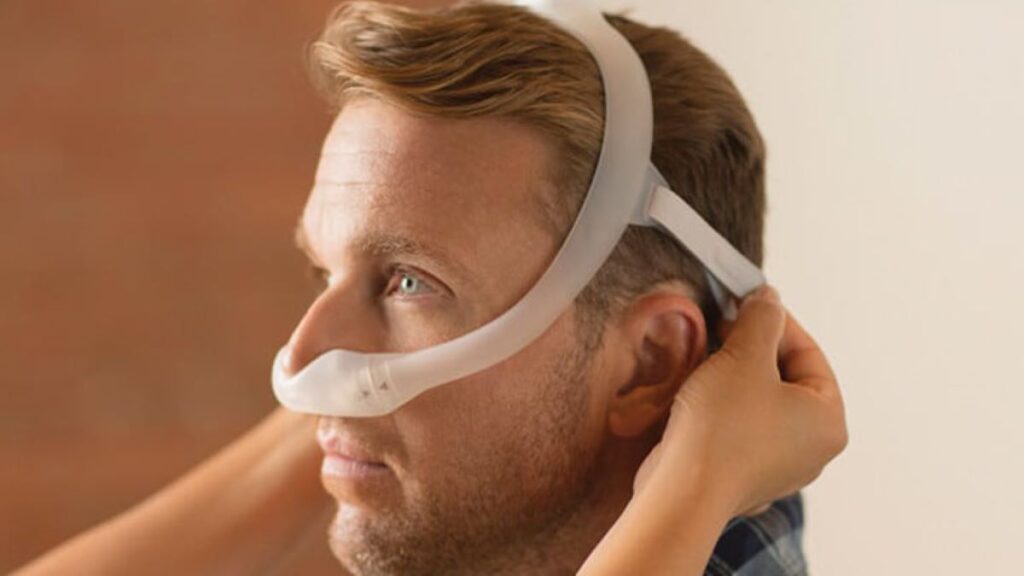
CPAP masks differ most in how much of the face they seal against. Nasal pillows seal at the nostrils, nasal masks seal around the nose, and full face masks seal around the nose and mouth.
Less coverage can feel lighter and less confined, but it also leaves fewer “backup” breathing routes if the nose gets blocked. More coverage can feel more secure for mouth breathing, but it can feel bulkier.
How does each CPAP mask style handle mouth breathing?
Full face masks usually work best when they breathe through the mouth during sleep, because the therapy pressure still reaches the airway. Nasal masks and nasal pillows generally require nasal breathing unless they add a chin strap or use tape (only if their clinician approves).
If they often wake with a dry mouth, have chronic congestion, or know they mouth-breathe, a full face mask is commonly the simplest path. If mouth breathing happens only occasionally, addressing nasal comfort first may be enough.
Which CPAP mask styles are most stable for side sleepers and active sleepers?
Nasal pillows often feel the most stable for side sleepers because the footprint is small and there is less mask surface to push into the pillow. Many nasal masks can also work well on the side, especially low-profile designs, but they may shift more than pillows.
Full face masks can be stable too, but they are more likely to get nudged and leak when their cheek presses into the pillow. For active sleepers, hose position and a secure headgear fit matter as much as the style.
How do CPAP mask styles compare for leaks and sealing?
Leaks depend on fit, pressure, and facial anatomy, but each style has common patterns. Nasal pillows may leak if the pillow size is wrong or if the angle is off at the nostrils, while nasal masks may leak at the bridge of the nose if the cushion rides too high.
Full face masks can leak more easily because they have a larger seal area, especially around the corners of the mouth. That said, when properly fitted, any style can seal well, and “bigger mask equals more leaks” is not always true for their specific face shape.
How do different styles affect comfort issues like skin marks, soreness, and claustrophobia?
Nasal pillows can cause nostril soreness or dryness at first, especially if the size is too small or their humidity is too low. Nasal masks may leave marks on the nose bridge or cause pressure points if tightened to stop leaks.
Full face masks can feel more confining for people sensitive to claustrophobia, and they can leave more facial marks due to larger contact areas. If comfort is the top priority, cushion material, strap placement, and correct sizing often make a bigger difference than style alone. Click here to get more about 5 situations where Aerobika with manometer is recommended.
Which CPAP mask styles work better at higher pressures or with congestion?
At higher pressures, some people find full face masks feel more controlled because the seal can be more forgiving when their mouth opens. Others do well with nasal pillows at higher pressures, but only if the fit is excellent and their nasal passages stay clear.
For congestion, full face masks are often the most reliable because they do not require consistent nasal breathing. If they prefer nasal styles, heated humidity, nasal saline rinses, and addressing allergies can dramatically change their comfort and success.
The simplest way to choose is to match the style to their breathing route, sleep position, and tolerance for facial coverage. If they are unsure, many succeed faster by trying two styles early, then sticking with the one that stays sealed with the least effort and the best sleep.
FAQs (Frequently Asked Questions)
What are the main differences between nasal pillows, nasal masks, and full face CPAP masks?
The three main CPAP mask styles differ primarily in the parts of the face they cover: nasal pillows seal at the nostrils, nasal masks seal around the nose, and full face masks seal around both the nose and mouth. This affects comfort, fit, and suitability depending on breathing habits.
Which CPAP mask style is best for people who breathe through their mouth during sleep?
Full face masks are generally best for mouth breathers because they deliver therapy pressure to both the nose and mouth. Nasal masks and nasal pillows usually require nasal breathing unless used with a chin strap or tape approved by a clinician.
How do CPAP mask styles affect stability for side sleepers or active sleepers?
Nasal pillows often feel most stable for side sleepers due to their small footprint and minimal surface area pressing into the pillow. Low-profile nasal masks can also work well but may shift more. Full face masks can be stable but are more prone to leaks when cheek pressure occurs during side sleeping. For active sleepers, hose position and secure headgear fit are equally important.
What are common leakage issues associated with different CPAP mask styles?
Leakage depends on fit, pressure, and facial anatomy. Nasal pillows may leak if the pillow size or angle is incorrect at the nostrils. Nasal masks can leak at the bridge of the nose if the cushion rides too high. Full face masks may leak around mouth corners due to larger seal areas. Proper fitting is key to minimizing leaks regardless of style.
How do different CPAP mask styles impact comfort factors like skin marks, soreness, and claustrophobia?
Nasal pillows can cause nostril soreness or dryness if too small or humidity is low. Nasal masks might leave marks on the nose bridge or create pressure points when tightened to prevent leaks. Full face masks can feel more confining for those sensitive to claustrophobia and tend to leave more facial marks due to larger contact areas. Cushion material, strap placement, and sizing often influence comfort more than style alone.
Which CPAP mask styles are better suited for higher pressures or congestion issues?
Full face masks often perform better at higher pressures and with congestion because they accommodate mouth breathing without compromising therapy. Nasal pillows can work at higher pressures if fitted perfectly and nasal passages remain clear. For congestion, full face masks are typically more reliable; alternatively, using heated humidity, saline rinses, and allergy management can improve comfort with nasal styles.