
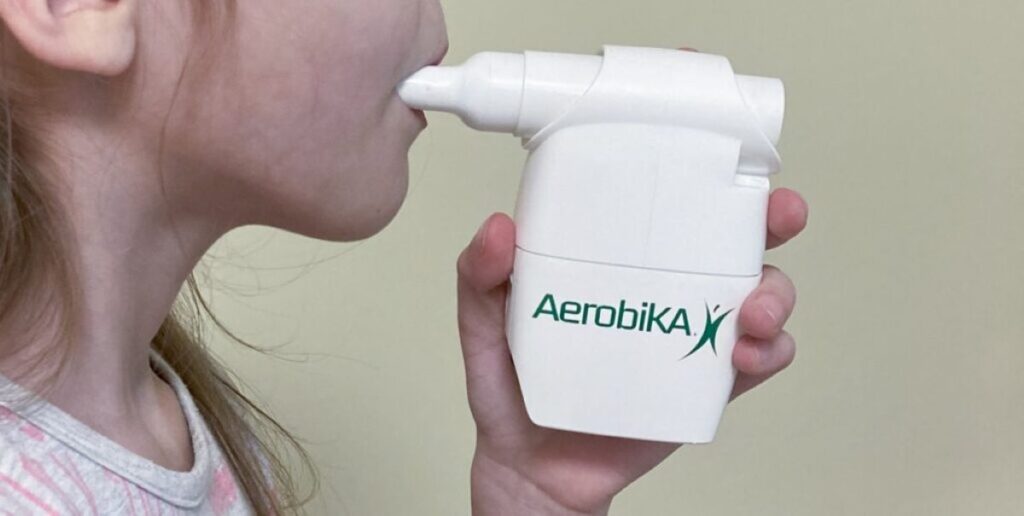
5 Situations Where Aerobika with Manometer Is Recommended
What is Aerobika with Manometer, and why would they use it?
Aerobika is an OPEP device designed to help mobilise mucus by combining positive pressure with airway oscillations during exhalation. The manometer attachment adds a simple visual pressure readout, which can help them target a pressure range and keep each breath more consistent. It is usually recommended when technique matters, symptoms fluctuate, or a clinician wants clearer feedback between visits.
When is it recommended for people with chronic mucus and frequent “chesty” flare-ups?
It is often recommended when they have persistent sputum, congestion, or recurring exacerbations where mucus retention is a driver. In these cases, consistent airway clearance can reduce the “blocked up” feeling and support more effective coughing. The manometer can help them avoid exhaling too gently to be effective or too forcefully to be comfortable.
This situation commonly includes people whose symptoms worsen in the mornings, during infections, or after periods of inactivity.
When is it recommended for bronchiectasis or similar long-term airway conditions?
Aerobika with Manometer is commonly considered when they live with bronchiectasis or other conditions where mucus clearance is an ongoing priority. The goal is to help them move secretions from smaller airways toward larger ones so they can clear them with huff coughs or controlled coughing.
Because technique can drift over time, the pressure gauge can be useful for keeping their effort in a repeatable range, especially if they are managing a home routine without daily supervision.
When is it recommended for COPD with chronic bronchitis features?
It is often recommended when they have COPD and also deal with chronic bronchitis-type symptoms, such as daily sputum and a productive cough. Air trapping and fatigue can make breathing exercises inconsistent, so a manometer can provide a simple cue to help them pace exhalation and maintain a steady effort.
Clinicians may also prefer it when they need a clearer picture of whether symptoms are linked to poor clearance technique or to a broader COPD flare.
When is it recommended after respiratory infections or during post-viral mucus retention?
It can be recommended when they are recovering from a respiratory infection and mucus is lingering, especially if coughing alone is not clearing it. Some people develop a cycle where retained secretions trigger more coughing, but the cough is unproductive and exhausting.
In that window, using OPEP with a visible pressure target can help them perform shorter, more structured sessions and avoid the common mistake of “blasting” the exhale, which can be uncomfortable and less controlled. You may like to visit https://allbestbinoculars.com/6-differences-between-cpap-masks-styles-explained/ to get more about differences between CPAP masks styles.
When is it recommended for those who struggle with technique or adherence to airway clearance plans?
It is often recommended when they have been prescribed airway clearance but are inconsistent, unsure if they are doing it correctly, or tend to change their effort from breath to breath. The manometer acts like immediate biofeedback, helping them self-correct without guessing.
This is especially relevant for people who are newly diagnosed, transitioning from supervised physiotherapy to home care, or trying to standardise a routine across different carers or settings.
What should they confirm before starting Aerobika with Manometer?
They should confirm the indication, the target pressure range, and the session structure with a qualified clinician, since needs vary by condition and severity. They should also ask how it fits with inhaled medications, hydration, exercise, and coughing techniques, because airway clearance usually works best as a sequence rather than a single step. Read more about Cough – types, treatments and remedies.
If they feel dizzy, wheezy, or worse during use, they should stop and seek clinical advice to adjust technique or rule out contraindications.
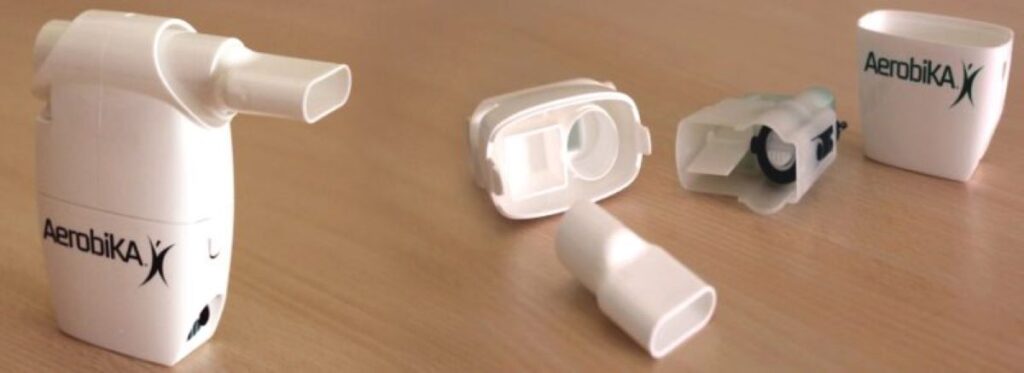
FAQs (Frequently Asked Questions)
What is Aerobika with Manometer and how does it help with airway clearance?
Aerobika with Manometer is an oscillating positive expiratory pressure (OPEP) device designed to mobilise mucus by combining positive pressure with airway oscillations during exhalation. The manometer attachment provides a visual pressure readout, helping users target a specific pressure range and maintain consistent breaths, which can improve technique, symptom management, and clinical decision-making.
Who should consider using Aerobika with Manometer for chronic mucus and frequent chesty flare-ups?
Aerobika with Manometer is often recommended for individuals experiencing persistent sputum, congestion, or recurring exacerbations driven by mucus retention. It helps reduce the sensation of being ‘blocked up’ and supports more effective coughing. It’s especially useful for those whose symptoms worsen in the mornings, during infections, or after periods of inactivity.
Is Aerobika with Manometer suitable for people with bronchiectasis or similar long-term airway conditions?
Yes, Aerobika with Manometer is commonly considered for people living with bronchiectasis or other chronic airway conditions where ongoing mucus clearance is essential. It aids in moving secretions from smaller airways to larger ones for easier clearance via huff coughs or controlled coughing. The manometer helps maintain consistent technique over time, particularly when managing home routines without daily supervision.
When is Aerobika with Manometer recommended for individuals with COPD and chronic bronchitis symptoms?
It is often recommended for individuals with COPD who also experience chronic bronchitis features such as daily sputum production and a productive cough. Due to challenges like air trapping and fatigue that affect breathing exercises, the manometer provides simple cues to pace exhalation and sustain steady effort. Clinicians may also use it to distinguish whether symptoms stem from poor clearance technique or broader COPD flare-ups.
Can Aerobika with Manometer be used during recovery from respiratory infections or post-viral mucus retention?
Yes, it can be recommended during recovery from respiratory infections when mucus lingers and coughing alone isn’t effective. The device helps break the cycle of unproductive and exhausting coughs by enabling shorter, more structured airway clearance sessions. The visible pressure target discourages overly forceful exhalations that can be uncomfortable and less controlled.
How does the manometer attachment assist those struggling with airway clearance technique or adherence?
The manometer offers immediate biofeedback by visually displaying exhalation pressure, allowing users to self-correct their technique without guesswork. This feature benefits newly diagnosed individuals, those transitioning from supervised physiotherapy to home care, or anyone aiming to standardise their routine across different carers or settings by promoting consistency and adherence.
5 Situations Where Aerobika with Manometer Is Recommended Read More »