
Smile Laser Eye surgery

Laser Eye Surgery

Is Laser Eye Surgery Safe in 2026? Risks, Success Rates, and Expert Insights

Laser eye surgery has been performed for more than three decades, yet the question patients still ask most often is simple and valid: Is laser eye surgery safe? In 2026, with rapidly advancing technology, better screening, and stricter clinical standards, the answer is clearer—and more nuanced—than ever before.

This in-depth guide explains how safe laser eye surgery really is in 2026, what the real risks are (not the myths), how success rates are measured, and what experienced eye surgeons want patients to understand before proceeding. It’s written for Australians considering LASIK, PRK, or SMILE and looking for honest, evidence-based reassurance rather than marketing promises.


Quick Answer: Is Laser Eye Surgery Safe in 2026?

For properly selected patients, laser eye surgery in 2026 is considered very safe, with complication rates lower than many routine medical procedures. Advances in laser precision, diagnostic imaging, and surgeon training have significantly reduced risks compared to earlier decades.

However, safety depends on:

  • Careful patient screening
  • The type of procedure
  • Surgeon experience
  • Following post-operative care instructions

Laser eye surgery is safe—but it is not suitable for everyone, and understanding why is key to making an informed decision.


What Is Laser Eye Surgery and How Does It Work?

Laser eye surgery corrects vision by reshaping the cornea, the transparent front surface of the eye, allowing light to focus properly on the retina.

Why Vision Problems Occur

Vision becomes blurry when light does not focus accurately due to:

  • Myopia (short-sightedness)
  • Hyperopia (long-sightedness)
  • Astigmatism (irregular corneal shape)

Modern lasers reshape the cornea using computer-guided precision measured in microns, guided by detailed scans of your eye.

What Makes 2026 Different

In 2026, laser eye surgery uses:

  • AI-assisted corneal mapping
  • Real-time eye tracking
  • Wavefront-guided treatments
  • Customised treatment plans unique to each eye

These improvements have made outcomes more predictable and safer than ever before.


Types of Laser Eye Surgery and Their Safety Profiles

Different procedures offer different safety advantages depending on eye structure and lifestyle.

LASIK

LASIK remains the most commonly performed procedure.

Safety highlights:

  • Decades of long-term data
  • Fast visual recovery
  • Low complication rate when properly screened

Considerations:

  • Involves a corneal flap
  • Temporary dry eyes are common

PRK

PRK is often recommended when corneas are thinner.

Safety highlights:

  • No corneal flap
  • Lower risk of flap-related trauma
  • Suitable for athletes and defence personnel

Considerations:

  • Longer healing time
  • More discomfort in early recovery

SMILE

SMILE is a minimally invasive option growing in popularity.

Safety highlights:

  • Smaller incision
  • Less disruption to corneal nerves
  • Reduced dry eye symptoms for some patients

Considerations:

  • Not suitable for all prescriptions
  • Long-term data is growing but still shorter than LASIK

Who Is Eligible—and Who Should Avoid Laser Eye Surgery?

Safety begins with eligibility.

You Are Likely a Good Candidate If:

  • You are over 18 years old
  • Your prescription has been stable for at least 12 months
  • Your corneas are healthy and thick enough
  • You do not have significant eye disease
  • You are not pregnant or breastfeeding

Who Should Avoid or Delay the Procedure

Laser eye surgery may not be recommended if you have:

  • Keratoconus or corneal instability
  • Severe dry eye disease
  • Advanced glaucoma
  • Uncontrolled diabetes
  • Autoimmune disorders affecting healing

A comprehensive pre-operative assessment is the most important safety step.


How Safe Is Laser Eye Surgery? Real Success Rates in 2026

Overall Success Rates
Laser Eye Surgery

In modern clinics:

  • 95–98% of patients achieve driving-standard vision or better
  • The majority achieve 20/20 vision or close to it
  • Patient satisfaction rates exceed 90%

Enhancement Rates

A small percentage of patients (2–5%) may require a minor enhancement procedure to fine-tune vision. This is not considered a complication, but rather part of long-term vision optimisation.


Understanding the Real Risks (Not the Myths)

Laser eye surgery risks are real—but often misunderstood.

Common Temporary Side Effects

  • Dry eyes (most common)
  • Light sensitivity
  • Glare or halos at night
  • Mild vision fluctuations

These typically improve over weeks to months.

Less Common Risks

  • Under- or over-correction
  • Inflammation
  • Delayed healing (more common with PRK)

Rare Complications

Serious complications such as infection or vision loss are extremely rare, especially when surgery is performed by experienced surgeons in accredited facilities.


Step-by-Step: How Laser Eye Surgery Is Performed

Before Surgery

  • Detailed eye examination
  • Corneal thickness measurement
  • Tear film assessment
  • Discussion of risks and expectations

During the Procedure

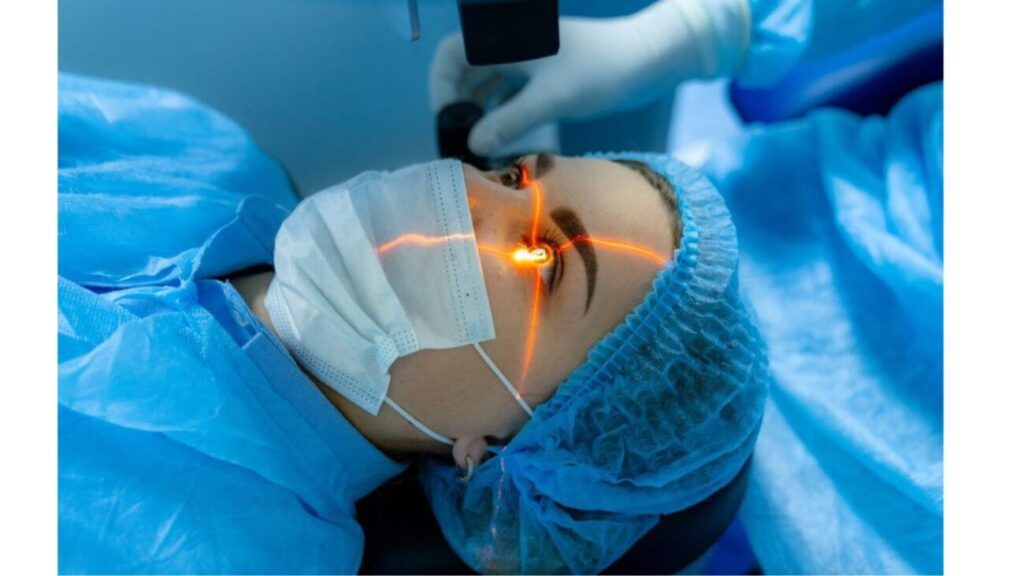
  • Takes 10–15 minutes per eye
  • Numbing drops used (no injections)
  • Laser reshaping lasts seconds

Immediately After

  • Vision may be hazy
  • Protective eye shields provided
  • You go home the same day

Recovery Timeline and Aftercare

First 48 Hours

  • Mild discomfort or dryness
  • Blurry vision is normal
  • Avoid screens and eye rubbing

First Week

  • Vision improves rapidly (LASIK/SMILE)
  • Use prescribed drops
  • Most patients return to work

First Month

  • Night vision continues to improve
  • Dry eye symptoms reduce

3–6 Months

  • Vision stabilises fully
  • Final outcome assessed

Cost of Laser Eye Surgery in Australia (2026)

ProcedureAverage Cost per Eye (AUD)
LASIK$2,500 – $3,500
PRK$2,200 – $3,200
SMILE$3,000 – $4,000

What’s Usually Included

  • Pre-operative testing
  • Surgeon and laser fees
  • Post-operative care
  • Enhancements within a specified period

Laser eye surgery is not covered by Medicare, though some private insurers offer limited rebates.


Benefits vs Limitations: A Balanced View

Benefits

  • Reduced dependence on glasses or contacts
  • High long-term satisfaction
  • Improved lifestyle convenience
  • Proven safety record

Limitations

  • Age-related vision changes still occur
  • Dry eye symptoms may appear temporarily
  • Not suitable for everyone
  • Requires realistic expectations

Expert Insights: What Eye Surgeons Want You to Know

  • Safety depends more on screening than technology
  • Cheap surgery can be costly in the long term
  • Follow-up care matters as much as the procedure
  • A good surgeon will sometimes say “no”

Final Thoughts: Is Laser Eye Surgery Worth It in 2026?

For the right candidate, laser eye surgery in 2026 is safer, more precise, and more predictable than ever before. Understanding the risks, recovery, and realistic outcomes allows you to approach the decision with confidence rather than fear.

Always consult a qualified ophthalmologist to determine the safest and most appropriate option for your eyes.


Frequently Asked Questions (FAQs)

Is laser eye surgery safe long-term?

Yes. Long-term studies show stable vision and high satisfaction for most patients.

Can laser eye surgery go wrong?

Serious complications are rare, especially with proper screening and experienced surgeons.

Is SMILE safer than LASIK?

Neither is universally safer; suitability depends on individual eye anatomy.

Does laser eye surgery cause blindness?

Permanent vision loss is extremely rare and far less likely than complications from contact lens wear.

Is laser eye surgery safe after 40?

Yes, but presbyopia may still require reading glasses later.

Is Laser Eye Surgery Safe in 2026? Risks, Success Rates, and Expert Insights Read More »
Laser Eye Surgery

The Benefits of Smile Laser Eye Surgery Over Traditional LASIK

In the world of vision correction, numerous options have emerged that cater to various needs and preferences. Among these advancements, Smile Laser Eye Surgery has gained notable attention as a less invasive alternative to traditional LASIK. This article explores the benefits of Smile laser eye surgery, its unique approach, and how it compares favorably against the more commonly known LASIK method.

Understanding Smile Laser Eye Surgery

Smile Laser Eye Surgery, also known as SMILE (Small Incision Lenticule Extraction), is a cutting-edge procedure designed to correct refractive vision errors, primarily myopia (nearsightedness) and astigmatism. This technique involves creating a small lenticule within the cornea, which is then removed through a tiny incision. Unlike traditional LASIK, which requires a larger flap to be created in the cornea, Smile utilizes a minimally invasive approach that may lead to a quicker recovery time and reduced risk of complications.

In a typical Smile procedure, the surgeon uses a femtosecond laser to precisely carve out the lenticule and a small incision. The process takes just a few minutes per eye and is conducted on an outpatient basis, meaning patients can typically return home shortly after the surgery. The appeal of Smile lies in its ability to reshape the cornea while preserving its structural integrity, enhancing both comfort and visual outcomes. This preservation of corneal nerves is particularly significant, as it contributes to a more natural healing process, minimizing discomfort and promoting faster recovery.

Smile Laser Eye surgery

Many individuals seek vision correction to experience life without glasses or contact lenses. Smile offers a promising solution, combining the efficiency of laser technology with a gentle approach to eye surgery. Furthermore, patients often report minimal discomfort during and after the procedure, making it a highly sought-after option in the realm of vision correction. The procedure’s quick nature also appeals to those with busy schedules, allowing them to undergo treatment without extensive downtime, thus integrating seamlessly into their lives.

Advantages of Smile Over Traditional LASIK

One of the primary advantages of Smile Laser Eye Surgery is its minimally invasive nature. The small incision used in the procedure reduces the risk of complications associated with larger flaps created during LASIK. Patients benefit from a lower incidence of dry eye symptoms and post-operative glare, as the corneal nerve fibers remain largely intact, providing a more natural healing process. This aspect is particularly important for those who may have experienced discomfort or complications with previous vision correction methods.

Moreover, Smile tends to offer faster recovery times. Many patients experience improved vision within just a few hours after the surgery, whereas LASIK may involve several days of recovery before optimal vision is achieved. This rapid recovery aligns well with the busy lifestyles many people lead, allowing them to return to their daily activities and responsibilities sooner. Additionally, the reduced need for post-operative care and follow-up appointments can be a significant advantage, making Smile a more convenient option for many.

Long-Term Visual Outcomes

Studies have indicated that the long-term visual outcomes of Smile are comparable to those achieved through traditional LASIK. With such advancements in laser technology, many patients enjoy stable and clear vision without needing further corrective measures. Additionally, the precision offered by Smile helps ensure that the reshaping of the cornea is tailored to the individual needs of each patient, enhancing the likelihood of long-lasting results. This customization is made possible through advanced diagnostic tools that assess the unique characteristics of each patient’s eyes, allowing for a highly personalized treatment plan.

Many patients express satisfaction with their vision correction experience through Smile. They often note that they feel more confident engaging in activities like sports, swimming, or simply enjoying nature without the hindrance of glasses or contacts. This significant lifestyle improvement is a core reason why more individuals are considering Smile laser eye surgery as their method of choice. Furthermore, the positive feedback from patients has led to increased interest in the procedure among those who may have previously hesitated due to concerns about traditional eye surgeries, showcasing the growing acceptance and trust in this innovative technique. Read more about innovative at https://innovative.edu.my/2023/03/29/what-is-innovative/

Who is a Good Candidate for Smile Laser Eye Surgery?

Smile Laser Eye Surgery is designed for individuals who are generally healthy, over the age of 18, and have stable vision prescriptions for at least a year. This procedure is particularly well-suited for those with myopia or astigmatism. However, patients with certain eye conditions such as severe dry eye syndrome or corneal irregularities may not be ideal candidates. It’s also important to note that those with a history of eye surgeries or certain autoimmune diseases should discuss their eligibility with their eye care provider, as these factors can influence the outcome of the procedure.

During an initial consultation, an eye care professional will perform a comprehensive eye examination to determine whether Smile is appropriate for each patient’s unique situation. It is crucial for potential candidates to discuss their medical history, lifestyle, and vision correction goals with their surgeon to ensure tailored treatment planning. This thorough assessment not only helps in identifying the suitability for the procedure but also allows the surgeon to explain the expected outcomes and address any questions or concerns the patient may have, fostering a collaborative approach to eye health.

Furthermore, individuals who are active in sports or outdoor activities may find the benefits of Smile particularly appealing due to its reduced risk of complications and quicker recovery time compared to LASIK. Patients are encouraged to openly communicate their lifestyle needs, allowing their medical team to recommend the best options for achieving optimal visual clarity. For example, athletes may appreciate the minimal downtime associated with Smile, enabling them to return to their training regimens sooner than they might with other corrective procedures.

Smile Laser Eye surgery

Safety and Side Effects

Safety is a paramount consideration in any surgical procedure, and Smile Laser Eye Surgery boasts an excellent safety profile. As with any medical intervention, some side effects may occur, including temporary discomfort, light sensitivity, or visual disturbances during the healing process. However, these side effects are usually short-lived, with most patients experiencing a rapid return to normal activities. It’s essential for patients to understand that while these effects are common, they are typically manageable and should not deter individuals from considering this innovative procedure.

Additionally, unlike LASIK, which involves creating a flap in the cornea, Smile’s approach reduces issues related to flap displacement. This feature contributes to the overall safety and reliability of the procedure, making it an attractive option for many individuals. The minimally invasive nature of Smile also means that there is less disruption to the corneal structure, which can lead to a more stable long-term outcome. As a result, many patients report not only improved vision but also enhanced comfort during the recovery process, allowing them to enjoy their daily activities without the hassle of glasses or contact lenses.

Post-Procedure Care

After Smile Laser Eye Surgery, patients receive detailed instructions on post-operative care to ensure a smooth recovery process. This may include guidelines on using prescribed eye drops to prevent infection and promote healing, as well as advice on activities to avoid, such as swimming or heavy lifting for a short period after surgery. Patients are often advised to wear sunglasses outdoors to protect their eyes from bright light and UV exposure, which can be particularly sensitive during the initial healing phase. To learn more about UV exposure click here.

Regular follow-up appointments are crucial for monitoring healing and assessing visual improvement. Most patients report significant improvements in their vision within days, with many achieving their desired visual acuity. Patients are encouraged to maintain open communication with their eye care team during this time to address any concerns they may have. This ongoing relationship not only helps to ensure a successful recovery but also provides patients with the reassurance that they have support as they adapt to their new vision. Additionally, many clinics offer resources and support groups for patients to share their experiences, fostering a sense of community among those who have undergone the procedure.

Conclusion: A Bright Future with Smile

In summary, Smile Laser Eye Surgery offers a compelling alternative to traditional LASIK, providing a range of benefits that appeal to patients seeking corrective eye surgery. Its minimally invasive technique, quick recovery time, and impressive long-term visual outcomes position it as a leading choice in refractive surgery.

As advancements in laser technology continue to evolve, individuals seeking vision correction can look forward to enhanced safety, comfort, and satisfaction with their results. For those considering Smile Laser Eye Surgery, a thorough consultation with a qualified eye care professional can pave the way toward a brighter, clearer future.

Find about laser eye surgery on: Can Laser Eye Surgery Correct All Vision Problems

The Benefits of Smile Laser Eye Surgery Over Traditional LASIK Read More »