

A medical facility promotes a relaxing atmosphere conducive to sleep. You can bring personal items such as pillows or blankets to enhance comfort, which is especially helpful for patients scheduling a sleep test Hobart to feel more at ease.
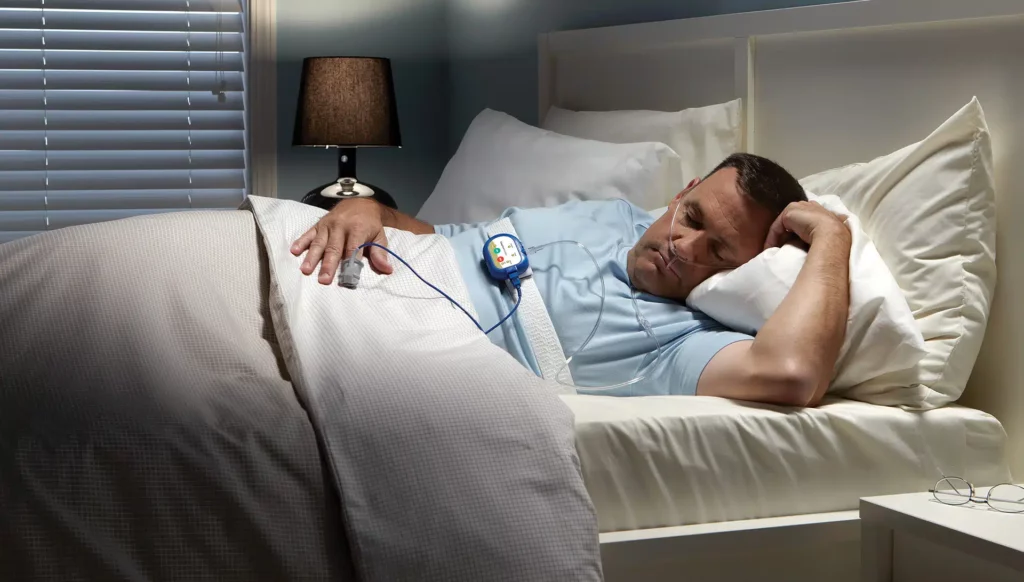
Once everything is set up, the technician will leave the room but remain on-site to monitor the study through video and audio recordings. This ensures that any disruptions or events during the night can be accurately documented without interfering with your sleep.
After completing the overnight study, the technician will disconnect the equipment, and you can resume your normal activities. The collected data will be analyzed by a sleep specialist who will generate a comprehensive report detailing the findings for your sleep test Hobart results.
What should you expect during a sleep study? It’s natural to feel apprehensive about spending a night away from home in an unfamiliar setting. However, understanding what to expect can help alleviate any concerns:
Arrival at the clinic: Plan to arrive at the sleep clinic in the evening before your scheduled study. This allows time for check-in and preparation.
Pre-study instructions: Follow any specific instructions given by your specialist regarding medications or dietary restrictions prior to the study.
Sensor placement: During the setup process, trained technicians will place sensors on various parts of your body as described earlier. This may involve some minor discomfort but should not be painful.
Sleep environment: The room where you’ll be sleeping is designed to mimic a comfortable bedroom setting with adjustable lighting and temperature controls. This is typical for facilities offering a sleep test Hobart experience.
Monitoring throughout the night: While you may not be aware of it, video and audio recordings will capture your movements and sounds during sleep. This information is crucial for accurate analysis.
Post-study routine: Once the study concludes in the morning, technicians will remove all monitoring equipment. You can then proceed with your day as usual.
By familiarizing yourself with these aspects of a sleep test Hobart, conducted by experienced specialists, you can approach this diagnostic procedure with confidence and clarity.
Why Is It Crucial to Identify Sleep Disorders for Long-Term Health?
Identifying sleep disorders through professional studies protects your health by catching conditions that silently damage multiple body systems over time. Sleep disorders impact millions of people, yet many remain undiagnosed for years while their health deteriorates progressively.
What Common Sleep Disorders Do Studies Detect?
Sleep studies in Hobart routinely identify several prevalent conditions that disrupt restorative sleep:
Obstructive sleep apnea (OSA) represents one of the most frequently diagnosed disorders, where breathing repeatedly stops during sleep due to airway collapse. This condition affects oxygen levels throughout the night and triggers stress responses in the body.
Restless leg syndrome creates uncomfortable sensations in the legs and an irresistible urge to move them, particularly when trying to fall asleep. This neurological condition prevents the transition into deep, restorative sleep stages.
Periodic limb movement disorder causes involuntary leg twitching during sleep, fragmenting sleep architecture without the person’s awareness. Many patients only discover this condition through objective monitoring during a sleep study.
How Do Sleep Disorders Affect Daily Life in the Short Term?
Sleep disruption consequences appear quickly in daily functioning. Within days or weeks of poor sleep quality, people experience heightened stress responses that make ordinary challenges feel overwhelming. The body’s ability to regulate emotions diminishes, leading to irritability and mood swings that strain relationships.
Cognitive performance suffers measurably when sleep disorders remain untreated. Memory consolidation weakens, making it harder to retain new information or recall important details. Decision-making abilities decline, and reaction times slow, creating risks in activities requiring alertness like driving or operating machinery.
Quality of life deteriorates across multiple dimensions. Physical discomfort increases as the body’s pain perception becomes more sensitive without adequate sleep. Energy levels plummet, making even simple tasks feel exhausting. Social engagement decreases as fatigue and mood changes make interactions less enjoyable.
For younger populations, the effects prove particularly concerning. Children and adolescents with undiagnosed sleep disorders show declining school performance, behavioral problems, and difficulties with peer relationships. Their developing brains require consistent, quality sleep to support learning and emotional regulation.
How Sleep Studies Help Diagnose Underlying Medical Conditions
Sleep studies provide specialists with objective data that reveals connections between disrupted sleep patterns and underlying medical conditions. Many patients experiencing poor sleep quality don’t realize their symptoms stem from undiagnosed health issues. A comprehensive sleep study captures physiological measurements throughout the night, allowing specialists to identify abnormalities that point to specific medical conditions requiring treatment.
The Link Between Sleep Problems and Medical Conditions
Disrupted sleep rarely exists on its own. Sleep disturbances often serve as early warning signs of underlying medical conditions that might otherwise go unnoticed. Obstructive sleep apnea detection through polysomnography frequently uncovers respiratory issues linked to heart problems, obesity, and metabolic dysfunction. The repeated breathing interruptions characteristic of OSA place significant strain on the cardiovascular system, elevating blood pressure and increasing heart disease risk.
Evaluation of psychiatric disorders through sleep studies reveals patterns that distinguish between primary sleep disorders and those secondary to mental health conditions. Depression, anxiety, and bipolar disorder all show distinct changes in sleep architecture. Specialists analyze REM sleep patterns, how long it takes to fall asleep (sleep latency), and nighttime awakenings to differentiate between psychiatric conditions and primary sleep disorders like narcolepsy or circadian rhythm disorders.
Chronic pain conditions, thyroid disorders, and neurological diseases also produce characteristic patterns of disrupted sleep. For example, restless leg syndrome may indicate iron deficiency or kidney disease. Specialists trained in diagnosing medical conditions use data from sleep studies to identify these connections, leading to appropriate medical referrals and comprehensive treatment approaches.
How Specialists Use Objective Data to Identify Disorders
Hobart sleep specialists rely on measurable factors rather than just patient reports alone. Polysomnography records:
- Brain wave activity revealing sleep stages and neurological function
- Oxygen saturation levels indicating respiratory efficiency
- Heart rate variability exposing cardiovascular stress responses
- Muscle activity detecting movement disorders
- Breathing patterns identifying apnea events and respiratory disturbances
This multi-parameter approach allows specialists to tell apart similar-presenting conditions. A patient complaining of excessive daytime sleepiness might suffer from obstructive sleep apnea detection, narcolepsy, or depression-related hypersomnia.
What Treatments Do Hobart Specialists Recommend Following a Sleep Study?
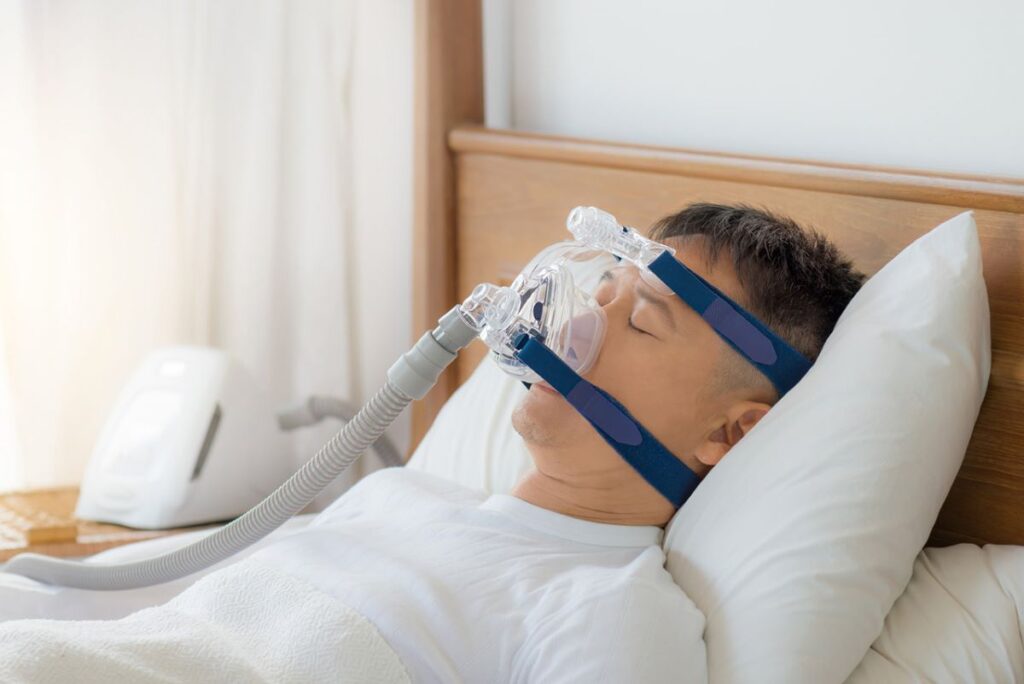
Hobart sleep specialists prescribe targeted therapies based on the specific disorder identified during diagnostic testing. CPAP therapy remains the gold standard treatment for obstructive sleep apnea, delivering continuous air pressure through a mask to keep airways open throughout the night. Specialists may also recommend oral appliances for mild to moderate OSA, positional therapy for position-dependent sleep apnea, or surgical interventions in cases where anatomical abnormalities contribute to breathing disruptions.
Treatment Options Beyond CPAP
Managing sleep disorders requires a personalized approach that considers the severity of the condition and individual patient factors. For restless leg syndrome, specialists often prescribe dopaminergic medications or iron supplementation when deficiency is present. Patients with insomnia may receive cognitive behavioral therapy for insomnia (CBT-I), which addresses the psychological and behavioral factors maintaining poor sleep patterns. Medication management, lifestyle modifications, and sleep hygiene education form additional components of comprehensive treatment plans.
Specialists recognize that some patients require combination therapies. A person with both OSA and insomnia might need CPAP alongside CBT-I to address both conditions simultaneously. Those with circadian rhythm disorders may benefit from light therapy, melatonin supplementation, and scheduled sleep-wake times tailored to their specific chronotype.
Symptom Improvement Through Consistent Treatment
Patients who adhere to prescribed therapies experience measurable improvements in daytime functioning. CPAP users typically report reduced excessive daytime sleepiness within the first few weeks of consistent use. The therapy normalizes oxygen levels during sleep, allowing the brain to cycle through restorative sleep stages without interruption. This restoration translates to enhanced alertness, improved concentration, and better mood regulation during waking hours.
Blood pressure reductions represent another significant benefit of treatment options for sleep-disordered breathing. Studies demonstrate that consistent CPAP use can lower both systolic and diastolic blood pressure readings, particularly in patients with resistant hypertension. The mechanism involves reducing sympathetic nervous system activation that occurs during repeated breathing pauses throughout the night.
The Critical Role of Treatment Adherence
Long-term health benefits depend entirely on consistent therapy use. Specialists emphasize that intermittent CPAP usage may not yield optimal results in managing OSA or improving associated comorbidities such as hypertension or cardiovascular disease.
To support treatment adherence:
- Education: Patients should understand the importance of continuous therapy and its impact on overall health.
- Support Systems: Involving family members or partners in discussions about treatment can create a supportive environment conducive to adherence.
- Regular Follow-ups: Scheduled appointments with specialists allow for ongoing monitoring, troubleshooting any difficulties faced by patients in using their prescribed therapies effectively.
By prioritizing adherence through these strategies, individuals can maximize the benefits derived from their treatments and promote long-term well-being outcomes.
How Can Early Diagnosis and Treatment Improve Long-Term Health Outcomes?
Early intervention benefits go beyond just relieving symptoms. When specialists in Hobart quickly identify sleep disorders through thorough sleep studies, they can prevent serious health problems from developing. By diagnosing patients on time, they can start the right treatment before their bodies suffer from the long-term effects of untreated sleep disorders.
Prevention of Serious Medical Complications
Untreated sleep disorders contribute silently to many chronic conditions. If obstructive sleep apnea goes undiagnosed, it puts repeated stress on the cardiovascular system by depriving it of oxygen during the night. This pattern occurs hundreds of times while a person sleeps, putting immense pressure on the heart and blood vessels. However, early detection through sleep studies allows specialists to step in before this nightly stress causes permanent damage to the cardiovascular system.
The link between sleep disorders and metabolic health shows why timing is crucial. Disrupted sleep patterns interfere with hormone regulation, especially those controlling appetite and glucose metabolism. When specialists diagnose and treat these conditions early, they help patients avoid the chain reaction of metabolic changes that can result in insulin resistance and weight gain.
Reducing Cardiovascular Risk Through Prompt Treatment
The connection between sleep disorders and heart health is particularly compelling. Patients with untreated sleep apnea face significantly elevated risks of:
- Hypertension developing from repeated blood pressure spikes during apnea episodes
- Irregular heart rhythms caused by fluctuations in oxygen levels throughout the night
- Increased stroke risk due to cumulative stress on the cardiovascular system
- Progression of existing cardiac conditions leading to heart failure
Hobart specialists who diagnose these conditions early can implement treatments that immediately reduce these risks. Studies show that patients who begin CPAP therapy or other appropriate interventions experience measurable improvements in blood pressure readings within weeks. This quick response demonstrates how early diagnosis directly translates to protecting the cardiovascular system.
Metabolic Health and Diabetes Prevention
Sleep quality plays a crucial role in maintaining healthy blood sugar levels. Disrupted sleep affects how the body processes glucose and responds to insulin. When specialists identify sleep disorders before metabolic dysfunction becomes established, they help patients avoid developing type 2 diabetes or metabolic syndrome.
Research indicates that treating sleep apnea
What Are the Broader Benefits of Sleep Studies Provided by Hobart Specialists?
Sleep studies offer a wide range of benefits that go beyond just treating specific sleep disorders. Hobart specialists provide patient-centered care that addresses multiple aspects of health at the same time, creating positive effects on various areas of physical and mental well-being.
Improved Management of Chronic Diseases Linked to Poor Sleep
Sleep studies help specialists understand how disrupted sleep patterns contribute to existing chronic conditions. Patients with cardiovascular disease often see significant improvements when underlying sleep disorders are properly treated. The objective data collected during polysomnography reveals specific breathing patterns, oxygen saturation levels, and disruptions in sleep architecture that directly affect heart health.
Diabetes management becomes more effective when sleep apnea is appropriately addressed. Research shows that treating obstructive sleep apnea improves insulin sensitivity and glucose metabolism. Hobart specialists use sleep study results to work together with endocrinologists and primary care physicians, creating integrated treatment plans that tackle both conditions simultaneously.
Chronic pain conditions respond positively to improved sleep quality. Patients suffering from fibromyalgia, arthritis, and other pain syndromes often report reduced symptom severity after receiving treatment for their sleep disorders. The restorative processes that occur during deep sleep stages help regulate pain perception and inflammatory responses throughout the body.
Positive Effects on Psychosocial Health and Cognitive Performance
Holistic health improvement is clearly seen in cognitive and emotional areas after successful treatment of sleep disorders. Memory consolidation, attention span, and executive function all heavily rely on good quality sleep. Hobart specialists understand these connections and highlight the cognitive benefits when discussing treatment outcomes with patients.
Workplace productivity significantly increases when sleep disorders are properly addressed. Employees who undergo sleep studies and follow recommended treatments report:
- Enhanced focus during complex tasks
- Improved decision-making abilities
- Better emotional control in stressful situations
- Reduced absenteeism due to fatigue-related illnesses
Social relationships benefit from the emotional stability that comes with restorative sleep. Irritability, mood swings, and emotional reactivity—common symptoms of untreated sleep disorders—diminish significantly after appropriate interventions. Family members often notice positive personality changes and improved communication patterns.
Academic performance in younger patients shows marked improvement following diagnosis and treatment of their sleep disorders. Students demonstrate better retention of information, increased concentration during lessons, and higher grades on assessments.
See Also : 5 Reasons Why a Sleep Study Canberra Residents Undertake Can Reveal More Than You Think
Why Should You Consider Seeking Specialized Care from Hobart Sleep Specialists?
Should you trust your sleep health to general practitioners alone? The importance of specialized care becomes evident when considering the complex nature of sleep disorders and their far-reaching health implications. Hobart sleep specialists possess dedicated training in sleep medicine, equipped with advanced diagnostic tools and treatment protocols that go beyond standard medical practice.
The Role of Hobart Specialists
The role of Hobart specialists extends well beyond simple diagnosis. These professionals understand the intricate connections between sleep disruption and systemic health conditions. They interpret polysomnography data with precision, identifying subtle patterns that might indicate serious underlying disorders. Their expertise ensures accurate diagnosis of conditions like obstructive sleep apnea, restless leg syndrome, and other sleep-related breathing disorders that general practitioners might overlook.
How a Sleep Study Hobart Specialists Provide Can Improve Long-Term Health Outcomes
How a sleep study Hobart specialists provide can improve long-term health outcomes becomes clear through their comprehensive approach to treatment. These experts don’t simply prescribe CPAP machines or medications—they develop personalized treatment plans that address your specific sleep architecture, lifestyle factors, and coexisting medical conditions. This targeted approach leads to improved health outcomes including:
- Reduced risk of cardiovascular disease and stroke
- Better management of hypertension and diabetes
- Enhanced cognitive function and memory consolidation
- Improved mood regulation and mental health
- Lower risk of workplace accidents and motor vehicle collisions
When Should You Seek Professional Evaluation?
When should you seek professional evaluation? Persistent sleep issues warrant specialist attention, particularly if you experience chronic snoring, witnessed breathing pauses during sleep, excessive daytime sleepiness, or difficulty maintaining sleep. Waiting to address these symptoms allows potential complications to develop unchecked.
The investment in specialized sleep care pays dividends through decades of better health. Hobart specialists provide the expertise needed to break the cycle of poor sleep and declining health, offering evidence-based interventions that protect your long-term well-being. Your sleep quality directly influences every aspect of daily functioning—making specialist care a critical component of preventive health strategy.