
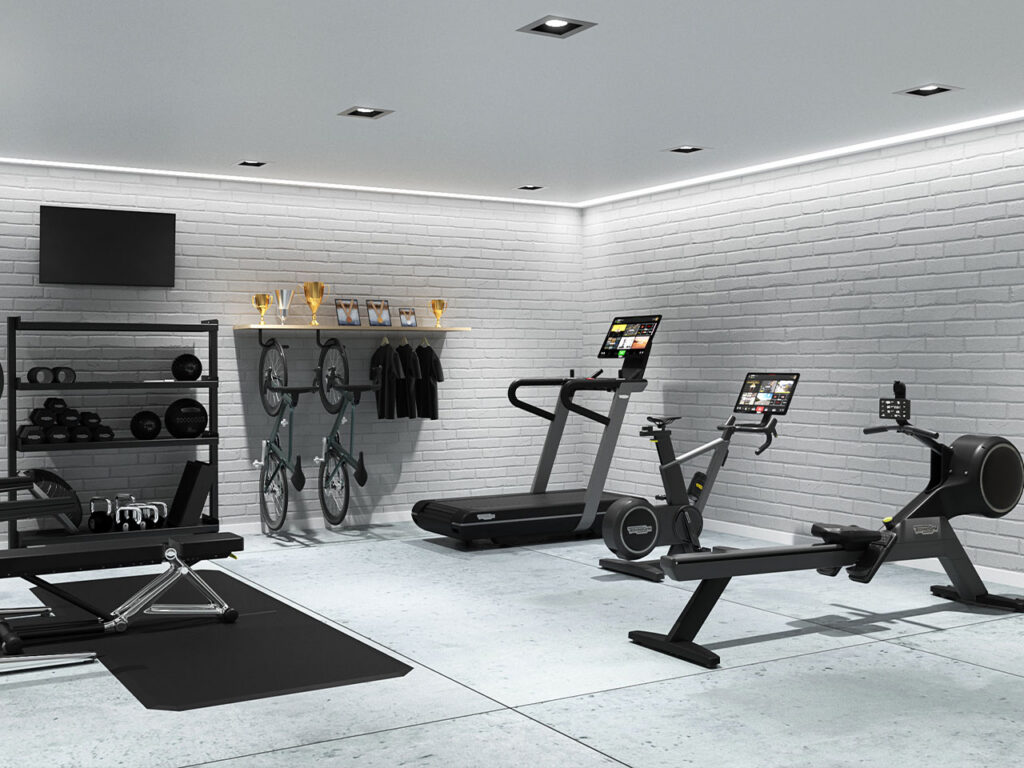
What should they do before starting a new exercise routine?
They should start by checking their current health, current activity level, and any old injuries that still flare up. This sports and fitness FAQ begins here because a good start prevents most avoidable setbacks.
A simple plan works best: pick a goal, choose 2 to 4 sessions a week, and keep the first two weeks easier than they think they need. If they have concerns about sleep quality or symptoms linked to sleep issues, they may want to explore options such as a sleep assessment and understand the cost of sleep apnea test before making decisions. If they have chest pain, dizziness, fainting, or a known heart condition, they should speak with a GP first.
How do they choose the right goal without overdoing it?
They should choose a goal that is specific, measurable, and realistic for the next 4 to 6 weeks. In this sports and fitness FAQ, the best early goals are process goals, not “perfect body” outcomes.
Examples include: walk 30 minutes three times a week, complete two strength sessions weekly, or improve a 2 km time gradually. If they set goals that demand rapid change, they usually push too hard, then stop altogether after soreness or fatigue hits.
What’s a safe weekly schedule for beginners in Australia?
A safe schedule is usually 3 to 5 total sessions a week, with at least one full rest day. This sports and fitness FAQ recommends building consistency before intensity.
A common structure is: two full body strength sessions, two cardio sessions (walk, jog, ride, swim), and optional mobility work. In hot Australian months, they should train earlier or later in the day and increase fluids, since heat stress can mimic “poor fitness” symptoms.
Should they do cardio or weights first?
They should prioritise what matches their main goal, but most people benefit from doing both each week. This sports and fitness FAQ approach keeps it simple: strength builds capacity, cardio builds endurance, and together they reduce injury risk.
If they do both in one session, many do weights first when strength is the priority, then light cardio after. If the goal is endurance, they can flip it. They should avoid doing hard intervals before heavy lifting if technique might suffer.
How much warm-up do they actually need?
They usually need 5 to 10 minutes, focused on raising heart rate and moving the joints they will use. This sports and fitness FAQ emphasises that warm-ups should feel easy, not like a workout.
A practical warm-up includes brisk walking, light cycling, or rowing, followed by dynamic moves like leg swings, bodyweight squats, or shoulder circles. If they are lifting, they should do a few lighter sets first. Skipping warm-ups often shows up later as tightness or strains.
What signs mean they should stop or see a professional?
They should stop if pain is sharp, sudden, or changes their movement pattern. In this sports and fitness FAQ, the key is to separate normal effort from warning signs.
They should seek medical advice for chest pain, severe shortness of breath that feels abnormal, fainting, numbness, or swelling after an injury. For ongoing niggles, an Australian physiotherapist or accredited exercise physiologist can help, especially if pain lasts more than two weeks or keeps returning.
How do they avoid common injuries when they’re new?
They should progress slowly, focus on technique, and avoid “all-out” sessions early on. This sports and fitness FAQ highlights that most beginner injuries come from doing too much, too soon.
A good rule is to increase volume or intensity by small steps, not big jumps. They should also rotate training types, so the same joints are not hammered daily. Proper shoes, basic mobility, and strength work for hips, glutes, and upper back usually reduce common overuse issues.
What should they eat before and after workouts?
They should keep pre-workout food light, familiar, and timed to their stomach. This sports and fitness FAQ keeps nutrition practical for Australians with real schedules.
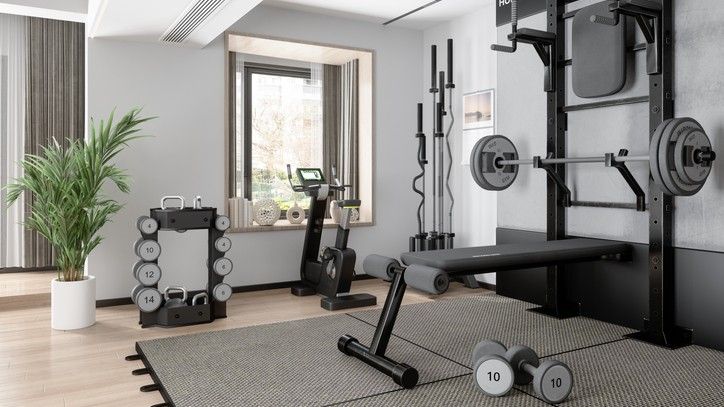
Before training, a banana, yoghurt, or a small sandwich can work well. After training, they should aim for protein and carbs, such as eggs on toast, chicken and rice, or a tuna wrap. Hydration matters more than many expect, especially in Queensland or during summer training blocks. For those experiencing ongoing fatigue or poor recovery despite healthy habits, Sleep disorder testing Adelaide can help identify underlying sleep-related issues affecting energy levels and performance.
Do they need supplements to see results?
They do not need supplements to start seeing results, and many people do fine without them. This sports and fitness FAQ suggests they should first dial in sleep, protein intake, and consistency.
If they do use supplements, they should keep it basic and safe: protein powder for convenience, creatine monohydrate if suitable, and caffeine carefully timed. They should avoid “fat burners” and unverified blends, and check for third-party testing if they compete in sport.
How important is sleep for training and fat loss?
Sleep is essential, and poor sleep can quietly block progress even when training is consistent. This sports and fitness FAQ includes sleep because fatigue often looks like “low motivation” but is actually a recovery issue.
When sleep is short or broken, hunger cues rise, decision-making worsens, and workouts feel harder. Many adults in Australia do better with a stable bedtime, reduced alcohol on weeknights, and less screen use late. If they snore loudly or wake unrefreshed, sleep quality deserves attention.
Could sleep apnea affect their sports performance and recovery?
Yes, untreated sleep apnea can reduce energy, impair recovery, and make training feel unusually difficult. This sports and fitness FAQ flags sleep apnea because many people assume their tiredness is just stress or age.
Common signs include loud snoring, witnessed pauses in breathing, morning headaches, and daytime sleepiness. If they suspect it, they should discuss it with a GP, because treating sleep apnea can improve training tolerance, mood, and overall health, not just sleep.
What is the cost of sleep apnea test in Australia, and what changes it?
The cost of sleep apnea test in Australia varies depending on whether they use the public system, a private clinic, or a home sleep test through a provider. This sports and fitness FAQ cannot give a single price for everyone, but it can explain what drives the total.
Key factors include: whether a GP referral is needed, whether the test is in-lab or at home, what the provider includes (report, specialist review, follow-up), and whether they have private health insurance. Their Medicare and insurance situation can change the final out-of-pocket amount.
Is a home test cheaper than an in-lab sleep study?
Often, yes, a home sleep test can be cheaper and more convenient, but it is not perfect for every situation. This sports and fitness FAQ recommends they ask what the test measures and whether it suits their symptoms.
Home tests usually focus on breathing and oxygen levels, while in-lab studies can capture more detail across sleep stages and other conditions. If symptoms are complex, an in-lab study may be recommended even if the cost of sleep apnea test is higher.
How should they plan a budget if they think they need testing?
They should plan beyond the test itself and include potential follow-up costs. This sports and fitness FAQ encourages them to think of the full pathway, not just the first invoice.
They may need a GP visit, the sleep study, a specialist appointment, and if diagnosed, equipment such as CPAP and ongoing supplies. When comparing providers, they should ask for an itemised quote and clarify what is included, since the cost of sleep apnea test can look low upfront but rise with add-ons.
How can they start today without spending much money?
They can start with walking, basic bodyweight strength, and a simple schedule, all with minimal equipment. This sports and fitness FAQ is built for real life, not perfect gym setups.
They can use local parks, foreshore paths, and council pools, or follow a simple plan at home. If they do join a gym, they should choose one near home or work, because convenience predicts consistency. They can also look into community sport options that fit their budget and interests.
What’s the simplest “first month” plan they can stick to?
They can stick to two strength sessions, two easy cardio sessions, and one mobility session weekly. This sports and fitness FAQ finishes with a plan that is easy to repeat.
Strength can be squat, hinge, push, pull, and carry patterns with controlled reps. Cardio should be easy enough to hold a conversation. Mobility can be 10 minutes of hips, ankles, upper back, and gentle stretching. If energy remains low, they should revisit sleep and consider whether the cost of sleep apnea test is worth exploring with their GP.
<script type="application/ld+json">
{
  "@context": "https://schema.org",
  "@type": "BlogPosting",
  "mainEntityOfPage": {
    "@type": "WebPage",
    "@id": "https://allbestbinoculars.com/sports-and-fitness-faq-what-to-know-before-you-start-plus-a-note-on-cost-of-sleep-apnea-test/"
  },
  "headline": "Sports and Fitness FAQ: What to Know Before You Start, Plus a Note on Cost of Sleep Apnea Test",
  "image": [
    "https://allbestbinoculars.com/wp-content/uploads/2026/08/istockphoto-1212703830-612x612-1.jpg",
    "https://allbestbinoculars.com/wp-content/uploads/2026/08/B4Xg6LwSsnFJnQySeg3ZBY-724-80.jpg",
    "https://allbestbinoculars.com/wp-content/uploads/2026/08/home-gym-high-performance-concept_new.jpg"
  ],
  "author": {
    "@type": "",
    "name": "Daniel Mendelsohn",
    "url": "https://allbestbinoculars.com/author/admin/"
  },
  "publisher": {
    "@type": "Organization",
    "name": "All Best Binoculars",
    "logo": {
      "@type": "ImageObject",
      "url": "https://allbestbinoculars.com/wp-content/uploads/2024/10/logo-Binoculars.png"
    }
  },
  "datePublished": ""
}
</script>