
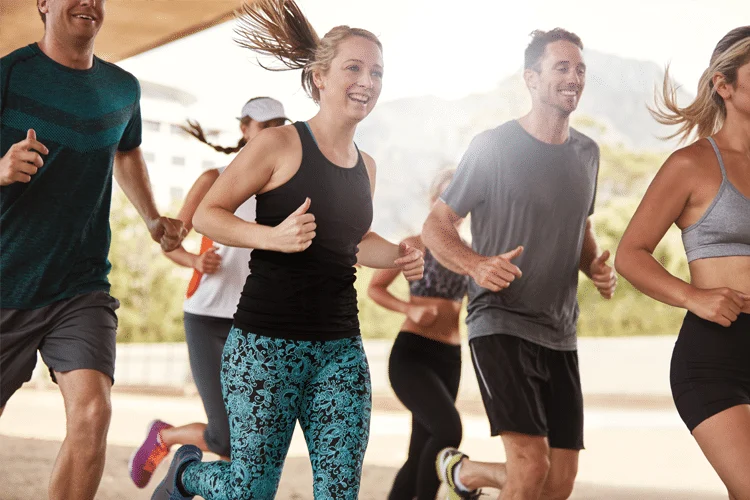
What should they consider before choosing a sport or fitness plan?
They should start with their primary outcome, available time, injury history, and what they will actually stick with through winter, shift work, and family commitments. Consistency beats the perfect program, especially when recovery and sleep are already stretched.
They should also factor in access and convenience. A beach run in Glenelg, a suburban gym membership, and a local footy club all create different weekly rhythms, costs, and social pressure to attend, just as accessing a sleep test Adelaide service should fit easily into their routine and lifestyle.
How do team sports compare with solo training for fitness results?
Team sports often win for adherence because training is scheduled and people feel accountable to others. In Australia, options like AFL, netball, hockey, basketball, and social soccer can build fitness quickly through repeated bursts of running and direction changes.
Solo training suits people who need flexibility, especially with FIFO rosters or rotating shifts. It can be easier to manage load and recovery, but it also relies more on self-motivation and can drift without a plan.
Which option is better for cardio: running, cycling, swimming, or group classes?
Running is the simplest and cheapest cardio, and many Australians use local trails, parks, and foreshore paths. It builds aerobic fitness efficiently but can aggravate knees, shins, and Achilles tendons if volume climbs too fast.
Cycling is joint-friendly and ideal for longer steady sessions. Swimming adds a low-impact full-body element, while group classes can boost intensity through coaching and music, which helps people push harder than they would alone.
What builds strength best: gym weights, calisthenics, or functional training?
Gym weights are the clearest path to progressive overload because they allow precise increases in load. Many people in Adelaide choose a basic three-day routine and see measurable strength gains within months.
Calisthenics is practical for those who prefer parks, home setups, or minimal equipment. Functional training blends strength and conditioning, but results depend heavily on programming, because random sessions often fail to progress.
How do HIIT and steady-state training compare for fat loss and fitness?
HIIT can deliver strong fitness improvements in less time, which suits busy schedules. It often feels efficient, but it is also demanding, and too much can increase soreness and reduce enthusiasm to train.
Steady-state training is easier to recover from and can be repeated more often. Many people find a combination works best, with HIIT once or twice weekly and steady sessions on other days.
How does flexibility and mobility work fit into sports and fitness choices?
Mobility work supports technique, range of motion, and comfort, especially for desk workers and tradies. It can also reduce recurring niggles that stop people training consistently, such as tight hips, stiff ankles, and restricted shoulders.
Yoga and Pilates are common choices across Australia because they can complement strength and cardio without adding a heavy recovery cost. They also build body awareness that helps in sport-specific movement.
Why do some people train hard but still feel exhausted?
They might be under-recovering, under-fuelling, or accumulating stress from work and life. Training load is not only what happens in the gym; it includes commute time, screen time, alcohol, and irregular schedules.
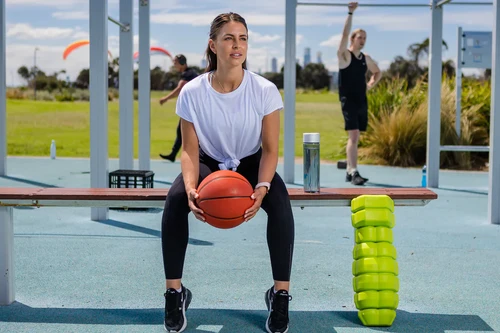
Sleep is often the biggest hidden factor. When sleep quality is poor, motivation drops, soreness lingers, and performance becomes unpredictable, which is where Affordable Sleep Apnea Testing becomes relevant for people who suspect something more than “just stress.”
How does sleep influence strength, endurance, and injury risk?
Sleep supports muscle repair, hormone regulation, reaction time, and decision-making. When sleep is disrupted, people often notice weaker sessions, higher perceived effort, and slower improvement even with good programming.
In sport, slower reactions and poorer coordination can increase injury risk. For those repeatedly struggling despite sensible training, Sleep Test Adelaide can help identify whether a sleep disorder is interfering with recovery.
When should they think about a sleep assessment?
They should consider it if snoring is loud, breathing pauses are noticed, or daytime sleepiness is persistent. Morning headaches, dry mouth, poor concentration, and waking unrefreshed are also common warning signs.
If someone is training consistently, eating reasonably, and still feeling flat week after week, it is worth exploring sleep further. Sleep Test Adelaide is one option people may look at when they want clarity rather than guesses.
Where does Sleep Test Adelaide fit in for active people?
It fits as a support tool when performance and recovery do not match effort. Many active people assume fatigue is a normal cost of training, but ongoing exhaustion can signal disrupted sleep architecture or breathing-related issues.
By using Sleep Test Adelaide, they can gather information that helps guide next steps with their GP or a sleep clinician. That information can sit alongside training data like resting heart rate, session RPE, and weekly volume.
How can they choose the right sport or fitness option in Adelaide?
They should match the option to their week, not their ideal life. A plan that works around school runs, shift work in Elizabeth, or long commutes from the Hills is more likely to last than a plan built on perfect conditions.
They can also trial before committing. Many gyms offer short-term passes, community clubs run pre-season sessions, and studios provide intro packs, which helps people find the best fit without locking into long contracts.
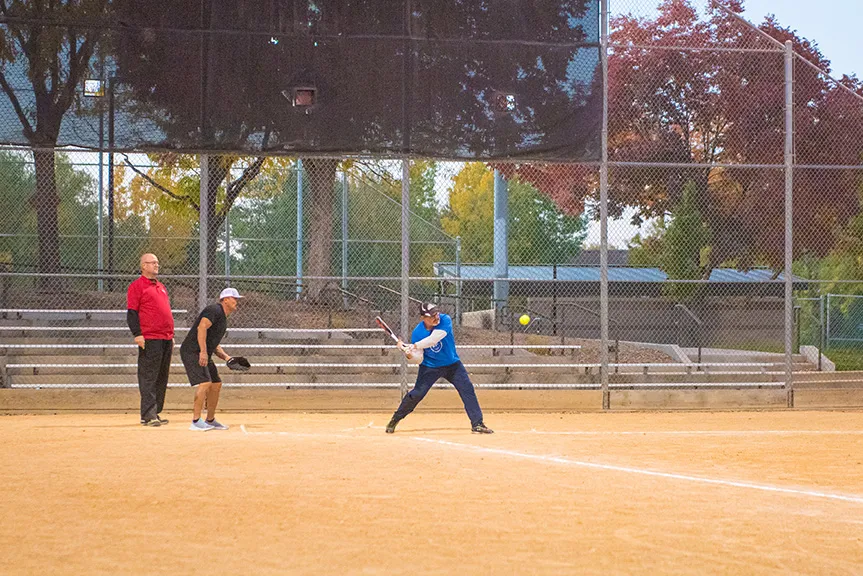
What does a balanced weekly routine look like for most people?
For general health, a practical mix is two to three strength sessions, two cardio sessions, and one mobility-focused session, with at least one easier day. This structure fits many Australians who want better energy without living in the gym.
Recovery should be scheduled, not hoped for. If sleep is consistently poor, even a well-designed routine can stall, so some people use Sleep Test Adelaide to check whether sleep quality is undermining the whole plan.
What are simple signs their current approach is working?
They should see steady improvements in load, pace, or skill, while soreness remains manageable and motivation stays stable. Sleep should feel restorative most nights, with fewer energy crashes during the day.
If progress is erratic, injuries keep appearing, or fatigue is constant, they can reduce training load and review basics like nutrition and bedtime habits. If symptoms persist, Sleep Test Adelaide may help explain why recovery is not improving.
How should they put it all together without overcomplicating it?
They should pick one primary training focus, add one supporting element, and protect sleep like a training session. For example, they might play social netball, lift weights twice weekly, and add a short mobility session at home.
If they are doing the work and still feel like they are running on empty, it is reasonable to look deeper. In that context, Sleep Test Adelaide can be a practical piece of the puzzle, supporting better decisions about training, recovery, and long-term health.
<script type="application/ld+json">
{
  "@context": "https://schema.org",
  "@type": "BlogPosting",
  "mainEntityOfPage": {
    "@type": "WebPage",
    "@id": "https://allbestbinoculars.com/sports-and-fitness-comparing-your-options-and-where-sleep-test-adelaide-fits-in/"
  },
  "headline": "Sports and Fitness: Comparing Your Options (and Where Sleep Test Adelaide Fits In)",
  "image": [
    "https://allbestbinoculars.com/wp-content/uploads/2026/08/Assemble-or-Join-a-Support-Group.webp",
    "https://allbestbinoculars.com/wp-content/uploads/2026/08/Softball_at_bat_29.webp",
    "https://allbestbinoculars.com/wp-content/uploads/2026/08/FAQ_1_1600x.progressive_59984104-23b0-47a2-9c4b-16e87fa51081.webp"
  ],
  "author": {
    "@type": "",
    "name": "Daniel Mendelsohn",
    "url": "https://allbestbinoculars.com/author/admin/"
  },
  "publisher": {
    "@type": "Organization",
    "name": "All Best Binoculars",
    "logo": {
      "@type": "ImageObject",
      "url": "https://allbestbinoculars.com/wp-content/uploads/2024/10/logo-Binoculars.png"
    }
  },
  "datePublished": ""
}
</script>