
What is sleep testing, and why might they need it?
Sleep testing measures breathing, oxygen levels, heart rate, and sleep patterns to identify sleep-related disorders. They might be referred if symptoms suggest sleep apnoea, unexplained fatigue, morning headaches, or disrupted sleep.
Sleep Testing Perth can lead to a confirmed diagnosis that guides treatment, improves energy, and reduces longer-term risks linked to untreated sleep disorders.
What types of sleep tests are available in Perth?
Most people are offered either an in-lab polysomnography (overnight study in a sleep clinic) or a home sleep test (portable equipment used in their own bed). The best option depends on symptoms, medical history, and what the referrer needs to rule in or out.
In-lab studies capture more detail, while home tests are often used when obstructive sleep apnoea is the main concern.
Do they need a referral to book a sleep test in Perth?
Many providers require a GP or specialist referral, particularly if they want Medicare or private health rebates. A referral also helps the sleep service choose the most appropriate test and report format.
If they are unsure, they can call the clinic first and ask what documents are required before booking.
How does the booking process usually work?
They typically start by sending the referral to a sleep clinic or testing provider, then completing an intake form about symptoms, medications, and medical history. After that, the clinic schedules either a home test pickup or an in-lab appointment.
Some clinics offer telehealth pre-assessments, which can speed up triage and confirm the right test type.
How long might they wait for an appointment?
Wait times vary by season, clinic capacity, and whether they need an in-lab bed. Home sleep tests are often available sooner because they do not rely on overnight room availability.
If symptoms are severe, they can ask the clinic about cancellation lists or whether a home study could be done first.
What should they ask before confirming a provider?
They should ask what test is being recommended, what it measures, and whether a clinician reviews the results. It also helps to confirm total costs, expected rebates, and whether equipment setup support is included.
They may also want to ask how results are delivered, how long reporting takes, and whether follow-up appointments are available.
How should they prepare in the days before a sleep test?
They should follow normal routines as much as possible so the test reflects typical sleep. It helps to keep regular sleep and wake times for a few nights, unless the clinician advises otherwise.
They should also disclose alcohol intake, recent illness, and any changes in medication, since these can affect sleep and breathing.
What should they avoid on the day of the study?
They should generally avoid caffeine later in the day and avoid alcohol in the evening unless the clinic says otherwise. Alcohol can worsen snoring and breathing disturbances, which may skew results.
They should also avoid heavy naps, because these can reduce sleep drive and make it harder to sleep during the study.
What should they pack or have ready for an in-lab sleep study?
They should bring comfortable sleepwear, toiletries, a phone charger, and any needed medications. If they use a personal pillow or have sensory preferences, they can ask whether bringing their own pillow is allowed.
They should also bring any referral paperwork and be ready to confirm medical details on arrival.
What happens during an in-lab sleep test?
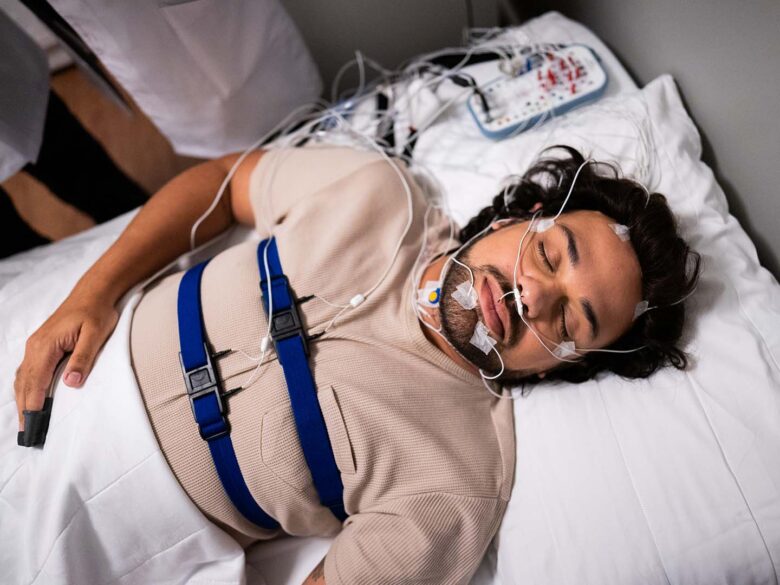
A technician places sensors to monitor brain activity, breathing effort, oxygen levels, heart rate, and leg movement. The setup can look complex, but it is designed to be safe and typically isn’t painful.
They will be encouraged to sleep as normally as possible while the system records overnight data for clinician review.
How does a home sleep test work, and what should they expect?
They receive a small device with sensors, usually including a finger oxygen probe and breathing sensors. They are shown how to apply the equipment, then they sleep at home while it records key breathing and oxygen information.
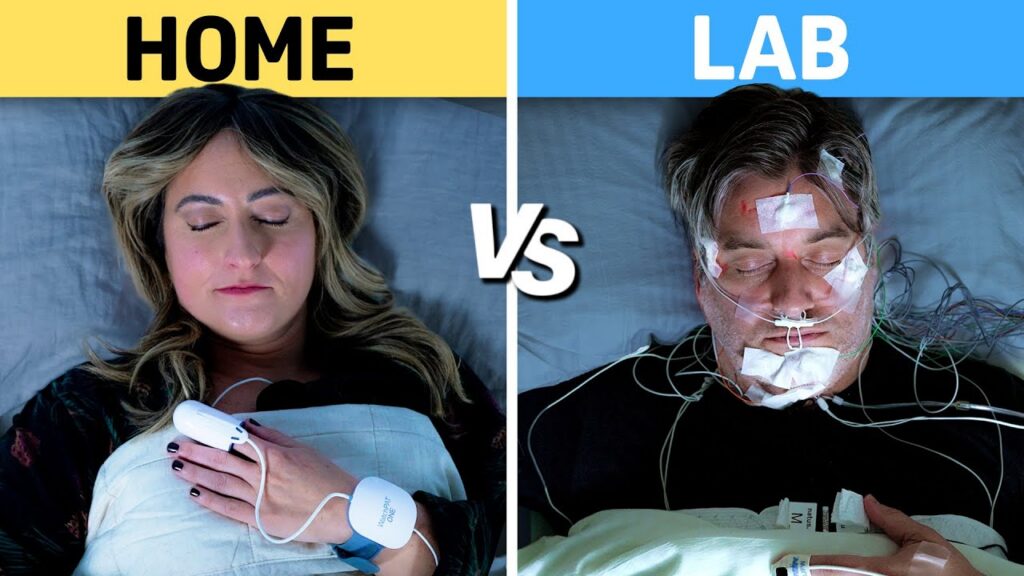
They return the device the next day, and a clinician analyses the data to produce a report. See sleep testing Melbourne booking guide: 5 key things to know before you start.
How can they improve the chance of a successful home test night?
They should carefully follow the fitting instructions and check sensors are secure but comfortable. It helps to set up the device earlier in the evening so they are not rushed at bedtime.
If they wake during the night, they should avoid fully removing sensors unless they are clearly displaced and need refitting.
What if they cannot sleep during the test?
A single imperfect night is common and often still provides useful data, especially for breathing-related issues. Clinicians interpret results with sleep duration, sensor quality, and symptom history in mind.
If the recording is inadequate, the clinic may recommend repeating the study or switching to a different test type.
What happens after the sleep test, and when do results arrive?
Results timing varies, but many services provide reports within days to a couple of weeks. The report is usually sent to the referring doctor, who explains the findings and next steps.
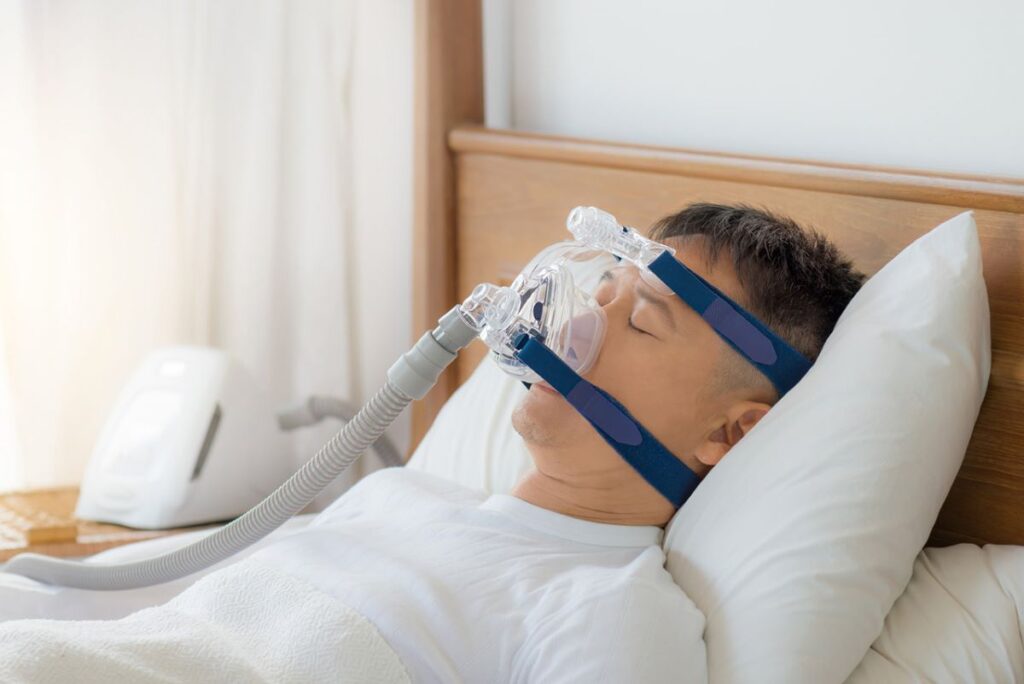
If the test suggests sleep apnoea, they may be offered options such as CPAP therapy, oral appliances, positional therapy, or weight and lifestyle support where appropriate.
How should they prepare for the follow-up appointment?
They should note key symptoms, sleep habits, and any questions about the report’s terms, such as AHI, oxygen desaturation, and snoring metrics. They should also share whether they felt the test night was typical.
If treatment is recommended, they can ask about expected benefits, adjustment time, costs, and how progress is monitored.
What are the most common mistakes they can avoid?
They should avoid changing their routine dramatically right before the study, since that can produce unrepresentative results. They should also avoid forgetting medications or failing to disclose sedatives, alcohol use, or significant nasal congestion.
For home studies, the biggest issue is loose sensors, so careful setup and a quick self-check at lights-out can help.
How can they make sleep testing in Perth feel less stressful?
They can treat the test as information gathering rather than a pass or fail event. Asking the clinic to explain the process step-by-step often reduces uncertainty, especially for first-time testers.
They can also plan a calm evening, allow extra time for setup, and remember that clinicians are used to people sleeping differently in a monitored environment.
FAQs (Frequently Asked Questions)
What is sleep testing and why is it important in Perth?
Sleep testing measures breathing, oxygen levels, heart rate, and sleep patterns to identify sleep-related disorders such as obstructive sleep apnoea, insomnia, and restless sleep. In Perth, it helps clinicians diagnose these conditions, especially when someone snores loudly, wakes unrefreshed, or experiences daytime sleepiness. A confirmed diagnosis guides effective treatment to improve energy and reduce long-term health risks.
What types of sleep tests are available in Perth and how do I choose?
In Perth, the main types of sleep tests are in-lab polysomnography (overnight study in a sleep clinic) and home sleep tests using portable equipment. In-lab studies provide detailed data and are suitable for complex cases, while home tests focus on obstructive sleep apnoea and offer convenience. The choice depends on symptoms, medical history, and referral recommendations.
Do I need a referral to book a sleep test in Perth?
Yes, most sleep testing providers in Perth require a GP or specialist referral. This is especially necessary to access Medicare or private health rebates. A referral also ensures the most appropriate test type and reporting format are selected. If unsure about requirements, contacting the clinic before booking is recommended.
How should I prepare for my sleep test to ensure accurate results?
To prepare for your sleep test in Perth, maintain your usual routines for several days before the study to reflect typical sleep patterns. Avoid caffeine late in the day and alcohol in the evening unless advised otherwise. Disclose any recent illness, medication changes, or alcohol intake to your clinician. For home tests, carefully follow sensor setup instructions to prevent loose connections.
What can I expect during an in-lab or home sleep test?
During an in-lab sleep test in Perth, a technician attaches sensors to monitor brain activity, breathing effort, oxygen levels, heart rate, and leg movements overnight while you sleep at the clinic. For home tests, you receive portable equipment with sensors like finger oxygen probes to use overnight at home. Both tests aim to capture accurate data with minimal discomfort.
When will I receive my sleep test results and what happens next?
Sleep test results in Perth typically arrive within days to a couple of weeks after the study. Reports are sent to your referring doctor who will discuss findings and next steps with you. If diagnosed with conditions like obstructive sleep apnoea, treatment options such as CPAP therapy or lifestyle changes may be recommended along with follow-up appointments.