
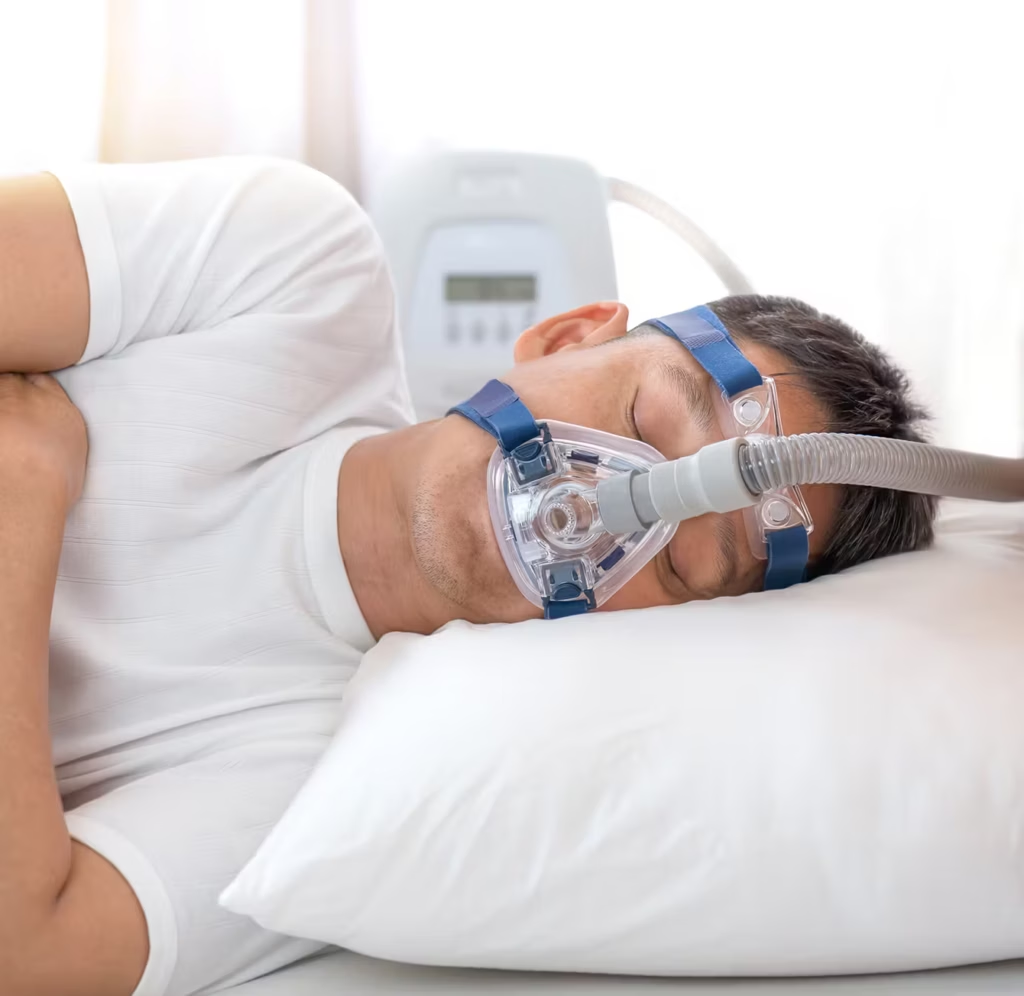
Below are five things they should know before they lock in an appointment.
What symptoms actually justify booking sleep testing?
If they snore loudly, stop breathing during sleep, wake up gasping, or feel persistently exhausted despite “enough” hours in bed, Sleep Testing Melbourne is usually worth considering. It is also commonly recommended when daytime sleepiness affects driving, work, mood, or concentration.
Other clues include morning headaches, high blood pressure that is hard to control, or a partner reporting choking sounds and restlessness. A GP referral is often the simplest starting point.
Which type of sleep test should they choose: at-home or in-clinic?
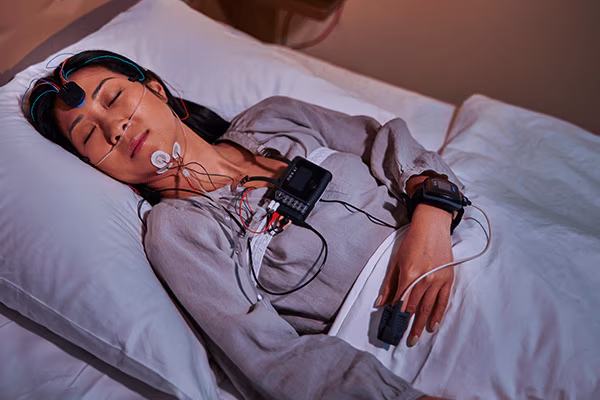
Most people start with an at-home sleep test because it is simpler, faster to schedule, and closer to normal sleep. These tests typically measure airflow, breathing effort, oxygen levels, and heart rate, which is often enough to detect obstructive sleep apnoea.
In-clinic studies are more comprehensive and are usually used when symptoms are complex, the at-home test is inconclusive, or there are concerns beyond obstructive sleep apnoea. A lab study can monitor brain waves, limb movements, sleep stages, and additional signals that help diagnose a wider range of sleep disorders.
What should they check about the provider before they book?
They should confirm who interprets the results and how follow-up works. Ideally, results are reviewed by an appropriately qualified sleep specialist or a clinician with clear credentials in sleep medicine, not just auto-generated software summaries.
It also helps to ask practical questions upfront: turnaround times for results, how they receive the report, and whether a treatment plan is included. If they may need CPAP, they should check whether the clinic is independent or tied to equipment sales, and how conflicts are managed.
What costs and rebates should they clarify in advance?
They should ask for an itemised quote before booking, including the test, reporting, and any follow-up consults. Costs can vary significantly depending on whether the test is private, hospital-based, or arranged through a specific clinic pathway.
They should also check whether Medicare rebates apply and what is required, such as a GP referral and specific eligibility criteria. If they have private health insurance, they should ask the insurer what is covered and whether waiting periods or preferred providers apply.
How should they prepare to avoid a failed or low-quality test?
They should follow the clinic’s setup instructions exactly because small issues can ruin the data. For at-home tests, that usually means applying sensors correctly, keeping the device secure overnight, and avoiding anything that might loosen leads, like heavy moisturisers on the skin.
They should keep their routine as normal as possible unless told otherwise. If they use alcohol, sleeping tablets, or other sedating medications, they should disclose that beforehand because it can change breathing patterns and affect interpretation. They should also plan for a typical sleep window and ensure the device is returned on time so reporting is not delayed.
What should they expect after the results come back?
They should expect a clear diagnosis, a severity rating if sleep apnoea is present, and next-step options. Mild cases may be managed with weight and sleep-position changes, nasal treatments, or oral appliances, while moderate to severe cases often involve CPAP therapy.
They should also expect their broader health risks to be discussed, especially if they have hypertension, heart disease risk factors, or safety-critical work. If the test is negative but symptoms remain, they should ask what else could explain the fatigue, and whether further testing is recommended. See sleep testing Perth booking and preparation guide.
Final checklist before they book
They should confirm the symptoms being investigated, the type of test recommended, the clinician interpreting results, the total cost and rebates, and the preparation steps. If those five points are clear, sleep testing in Melbourne is far more likely to produce an answer they can actually use.
FAQs (Frequently Asked Questions)
What symptoms indicate that I should consider booking a sleep test in Melbourne?
If you snore loudly, stop breathing during sleep, wake up gasping, or feel persistently exhausted despite getting enough hours in bed, sleep testing is usually worth considering. Other signs include daytime sleepiness affecting driving or work, morning headaches, uncontrolled high blood pressure, or a partner reporting choking sounds and restlessness. Starting with a GP referral is often simplest.
Should I choose an at-home sleep test or an in-clinic sleep study in Melbourne?
Most people begin with an at-home sleep test because it is simpler, faster to schedule, and closer to normal sleep. These tests measure airflow, breathing effort, oxygen levels, and heart rate and often detect obstructive sleep apnoea. In-clinic studies are more comprehensive and used when symptoms are complex, the at-home test is inconclusive, or other sleep disorders are suspected.
What should I verify about the sleep testing provider before booking?
Confirm who interprets the results—ideally a qualified sleep specialist or clinician with credentials in sleep medicine rather than just software-generated summaries. Ask about turnaround times for results, how you receive reports, whether a treatment plan is included, and if the clinic is independent or tied to CPAP equipment sales to understand any potential conflicts of interest.
How can I understand the costs and rebates involved in sleep testing in Melbourne?
Request an itemised quote before booking that includes the test, reporting, and follow-up consults. Costs vary depending on whether the test is private or hospital-based. Check if Medicare rebates apply by confirming eligibility criteria such as having a GP referral. If you have private health insurance, inquire about coverage details, waiting periods, and preferred providers.
What preparation steps should I take to ensure a successful sleep test?
Follow your clinic’s setup instructions exactly—proper sensor application and securing the device overnight are crucial. Avoid anything that might loosen leads like heavy moisturisers. Maintain your usual routine unless advised otherwise and disclose use of alcohol, sleeping tablets, or sedatives beforehand as these can affect breathing patterns. Plan for a typical sleep window and return the device on time to avoid delays.
What can I expect after receiving my sleep test results?
Expect a clear diagnosis with severity rating if obstructive sleep apnoea is present and recommended next steps. Mild cases may be managed with weight loss, positional therapy, nasal treatments, or oral appliances; moderate to severe cases often require CPAP therapy. Your broader health risks will also be discussed. If results are negative but symptoms persist, further evaluation may be recommended.