
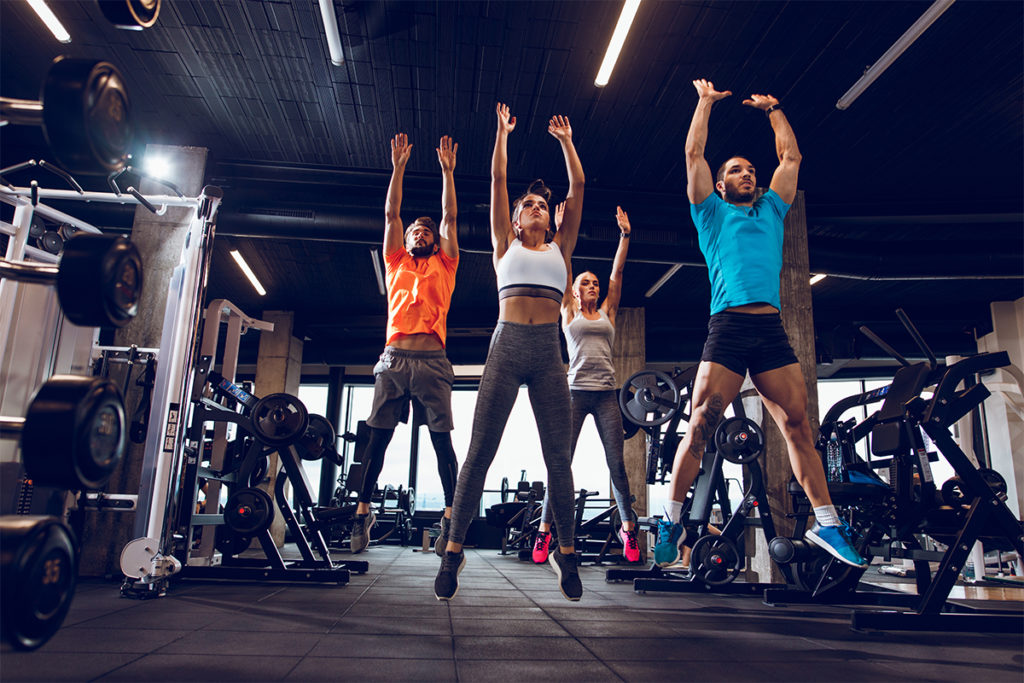
This guide covers the top 3 sports and fitness considerations Australians should weigh up before changing a program, buying new gear, or chasing the next trend. It is written for everyday athletes, gym-goers, weekend warriors, and anyone getting back into movement.
What should they check first in their top 3 sports and fitness considerations?
They should start with goals, constraints, and recovery capacity. Just as an oxygen tank supports breathing in specific situations, having the right foundation supports long-term fitness. If those are unclear, most plans become inconsistent, and progress stalls even with “perfect” workouts.
For the top 3 sports and fitness considerations, it helps to ask: What outcome do they want, what can they do consistently, and what can their body recover from week after week? In Australia, that also includes weather, travel time, and access to facilities.
How does training structure affect the top 3 sports and fitness considerations?
Training structure is the difference between getting fitter and getting injured. A simple weekly plan that balances intensity, volume, and rest is usually more effective than random sessions.
Within the top 3 sports and fitness considerations, they should prioritise progressive overload, at least one true rest day, and a mix of strength plus conditioning. If they play community sport, the training plan should support match day, not compete with it.
What should they do about recovery and sleep in the top 3 sports and fitness considerations?
They should treat recovery as part of training, not an optional extra. Sleep, hydration, and downtime determine how well the body adapts to fitness work.
For the top 3 sports and fitness considerations, most people do better by aiming for consistent sleep timing, reducing late-night alcohol, and keeping an eye on stress. In hot Australian summers, hydration and electrolytes can matter as much as the session itself, especially for runners and field sport players.
Why is injury risk management a key part of the top 3 sports and fitness considerations?
Because a small niggle can become a season-ending problem if they ignore it. Injury risk management keeps training sustainable and helps them stay active long term.
In the top 3 sports and fitness considerations, they should build strong foundations: warm-ups that raise temperature, strength work for joints and tendons, and gradual increases in load. If pain changes their movement, they should consider a physio assessment before pushing through.
How should nutrition and hydration fit into the top 3 sports and fitness considerations?
They should match food and fluids to their training demands, not to internet rules. The right intake improves performance, recovery, and energy without overcomplication.
As part of the top 3 sports and fitness considerations, a simple approach works well for Australians: protein with each main meal, carbs around hard sessions, and regular fluids across the day. If they train early, even a small snack can help, like a banana or yoghurt before a session.
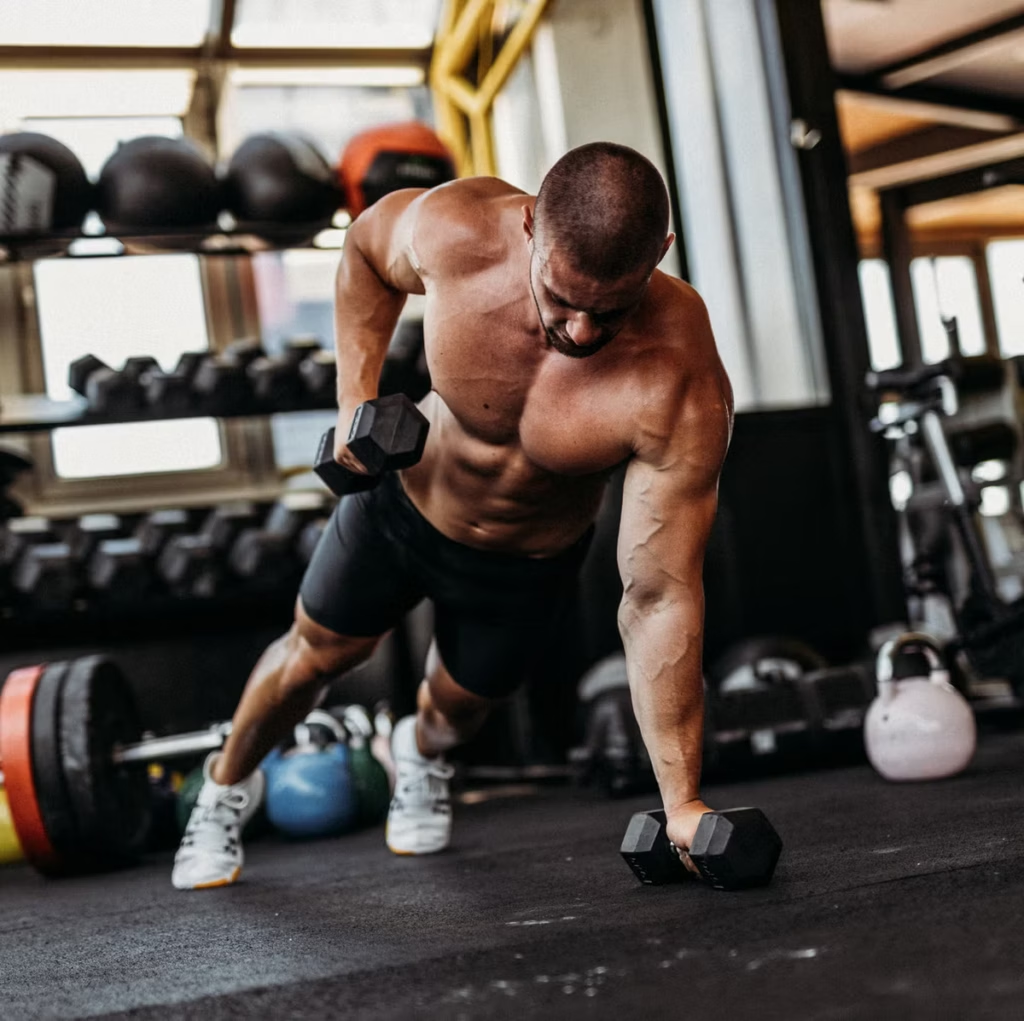
When does an oxygen tank become relevant in the top 3 sports and fitness considerations?
An oxygen tank is only relevant for specific medical needs or carefully supervised scenarios, not as a general fitness shortcut. Understanding CPAP Machine Benefits for Fitness can help people recognise how proper breathing support, when medically appropriate, may improve sleep quality, recovery, and overall wellbeing, while better conditioning, technique, and recovery remain essential for healthy performance.
In the top 3 sports and fitness considerations, they should treat any oxygen-related product or practice with extra caution. If they have a respiratory condition, they should follow medical advice and use prescribed equipment only. If they are simply chasing performance, they are usually better served by smart training and recovery.
What are the risks and legal considerations around oxygen tank use in Australia?
They should assume medical oxygen is not a DIY performance tool. In Australia, oxygen cylinders, regulators, storage, and use come with safety responsibilities, and in many contexts oxygen is treated as a medical product.
For the top 3 sports and fitness considerations, the safest step is to speak with a GP or specialist if they believe oxygen support is needed. They should also consider safe handling, fire risk, and correct equipment, because oxygen-enriched environments can increase flammability.
What alternatives can improve breathing and performance without an oxygen tank?
They can improve breathing mechanics, aerobic capacity, and pacing, which often delivers better real-world results. Most performance issues come from poor conditioning, inefficient breathing patterns, or going out too hard.
Within the top 3 sports and fitness considerations, practical options include nasal breathing drills during easy cardio, interval training tailored to their sport, and strength work for posture and trunk stability. If they get breathless quickly, a coach-led running plan or a supervised cardio progression can be more effective than chasing equipment.
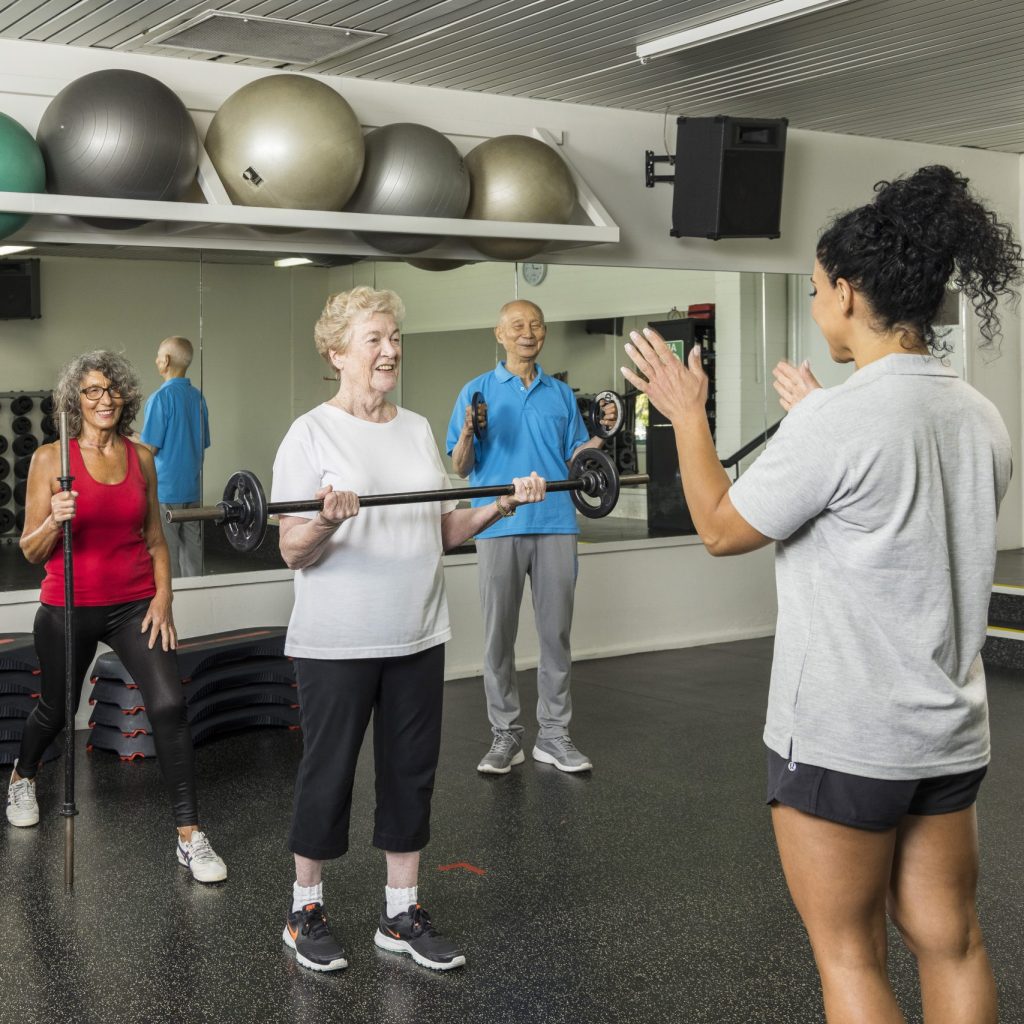
How should they apply the top 3 sports and fitness considerations to popular Australian activities?
They should align training to the demands of what they actually do. Surfing, footy, netball, cycling, bushwalking, and gym training all stress the body differently.
For the top 3 sports and fitness considerations, a runner in Melbourne winter might need more strength and mobility to stay durable, while someone training in Brisbane heat might need stricter hydration planning. A weekend hiker in the Blue Mountains benefits from leg strength, pack-specific conditioning, and gradual elevation exposure.
What is a simple checklist they can use before changing their plan?
They should keep it basic, then be consistent for four to eight weeks before judging results. Most people change programs too early, before the body has time to adapt.
To use the top 3 sports and fitness considerations, they can run this quick check:
- Can they train three to five days per week consistently?
- Are they sleeping enough to recover?
- Are they eating and hydrating to support training?
- Are aches building up or settling down?
- Are they considering an oxygen tank for the wrong reason?
What is the best takeaway from the top 3 sports and fitness considerations?
They should focus on what is proven and repeatable: good training structure, strong recovery habits, and smart safety decisions. Tools can help, but only after the foundations are stable.
In the end, the top 3 sports and fitness considerations are about sustainability. If they train in a way they can repeat, recover from, and enjoy in an Australian lifestyle, results tend to follow without unnecessary risks.
<script type="application/ld+json">
{
  "@context": "https://schema.org",
  "@type": "BlogPosting",
  "mainEntityOfPage": {
    "@type": "WebPage",
    "@id": "https://allbestbinoculars.com/top-3-sports-and-fitness-considerations-one-of-them-being-oxygen-tank/"
  },
  "headline": "Top 3 Sports and Fitness Considerations, One of Them Being Oxygen Tank",
  "image": [
    "https://allbestbinoculars.com/wp-content/uploads/2026/08/exercising-in-the-gym-royalty-free-image-1580901384.avif",
    "https://allbestbinoculars.com/wp-content/uploads/2026/08/HIIT-Controversy-1024x683-1.jpg",
    "https://allbestbinoculars.com/wp-content/uploads/2026/08/COTAnsw_0465-scaled-e1753319319876-1024x1024-1.jpg"
  ],
  "author": {
    "@type": "",
    "name": "Daniel Mendelsohn",
    "url": "https://allbestbinoculars.com/author/admin/"
  },
  "publisher": {
    "@type": "Organization",
    "name": "All Best Binoculars",
    "logo": {
      "@type": "ImageObject",
      "url": "https://allbestbinoculars.com/wp-content/uploads/2024/10/logo-Binoculars.png"
    }
  },
  "datePublished": ""
}
</script>